

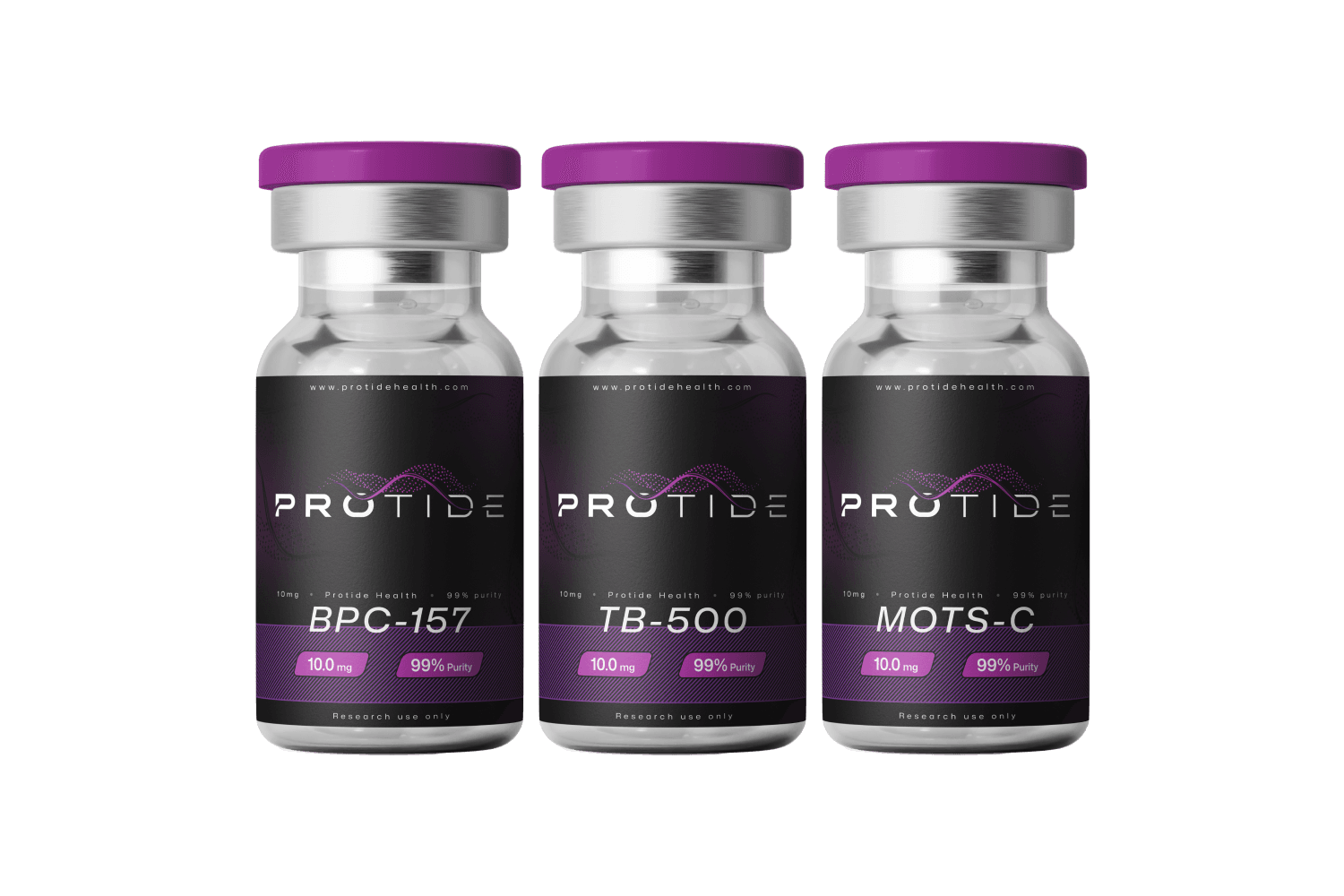
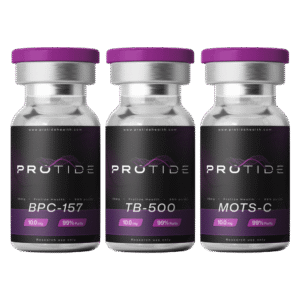
Tissue Regeneration Research Bundle (BPC-157, TB-500, MOTS-c)
$190.00
Three of our most popular research peptides, including BPC-157 (10mg), TB-500 (10mg), and MOTS-c (10mg) bundled together to provide everything needed to investigate vascular endothelial growth factor (VEGF) pathways, actin dynamics, and mitochondrial signaling in one convenient, cost-effective package.
-
Total Value: $190.00
-
Bundle Price: $175.00 (You Save $15.00)
-
Shipping: Free Shipping Included
Research use only. Not for human use or consumption.
Tissue Regeneration Research Bundle
The Tissue Regeneration Research Bundle provides investigators with a multi-pathway solution for in vitro and preclinical models. This strategic combination integrates BPC-157, TB-500, and MOTS-c to examine vascular, structural, and energetic mechanisms in controlled laboratory environments.
Components of the Tissue Regeneration Research Bundle
The Tissue Regeneration Research Bundle integrates three distinct peptides for comprehensive cellular analysis. Researchers utilize these compounds to observe complex signaling networks and biological pathways.
BPC-157
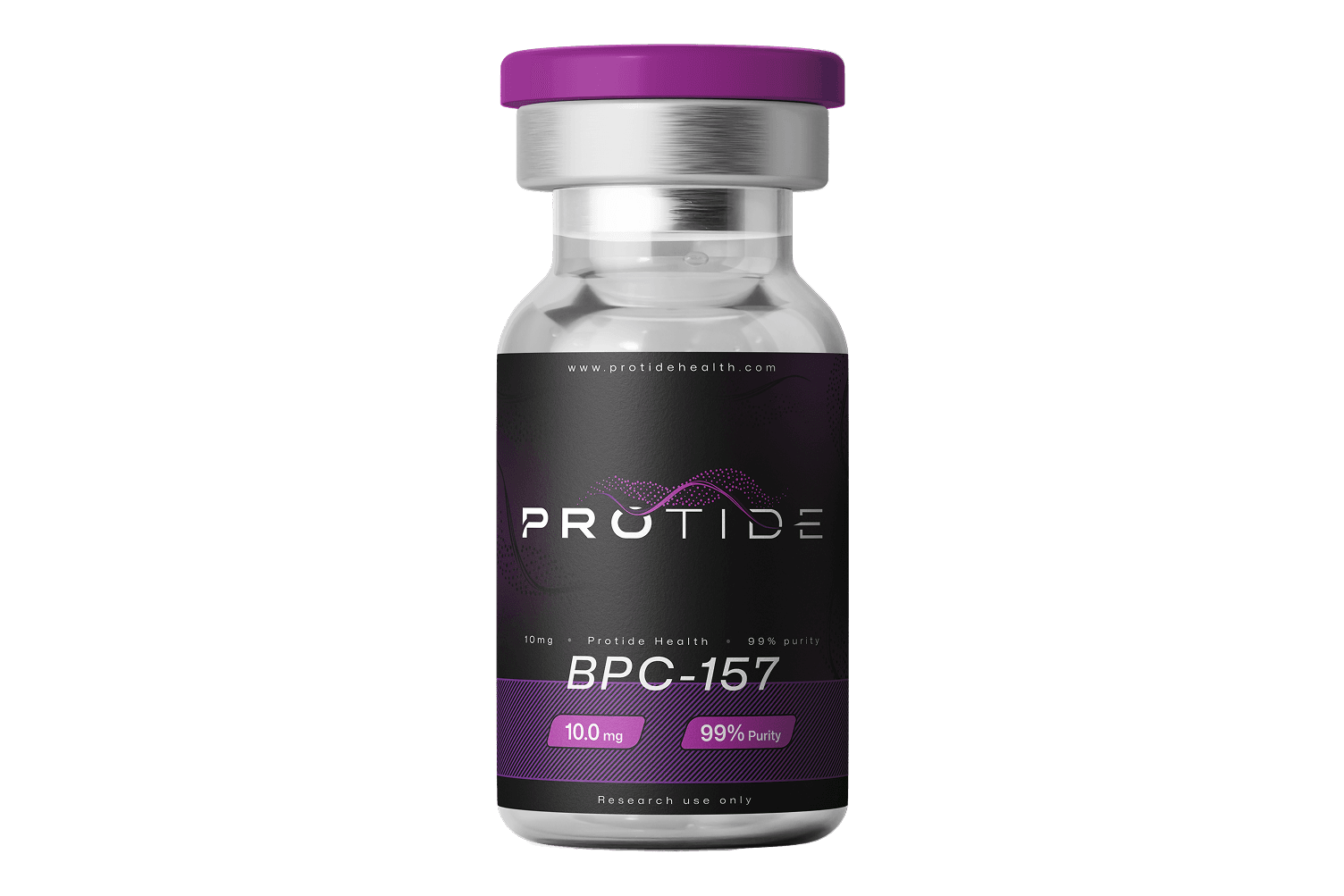
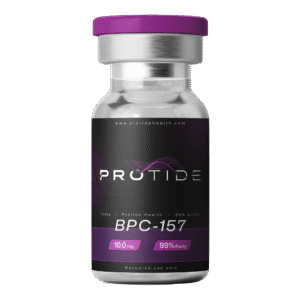
BPC-157 is a 15-amino-acid synthetic peptide. Laboratory studies investigate its interaction with VEGFR2 signaling pathways for angiogenesis (new blood vessel formation) (PMC). Preclinical models examine mechanisms including:
-
EGR-1 transcription factor expression
-
Nitric oxide synthesis modulation
-
ERK1/2 phosphorylation markers
Investigators can source BPC-157 10mg for dedicated vascular modeling.
TB-500
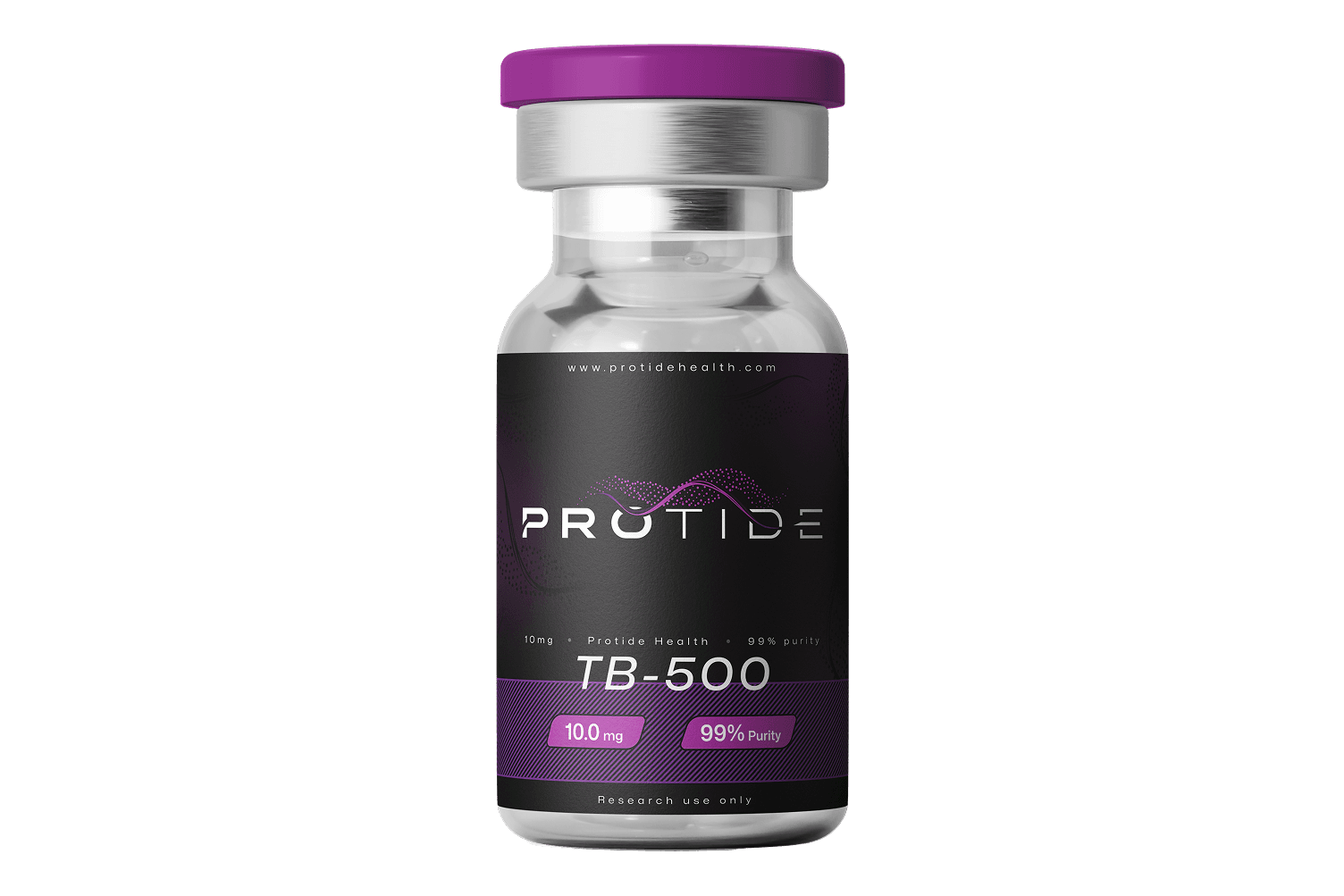
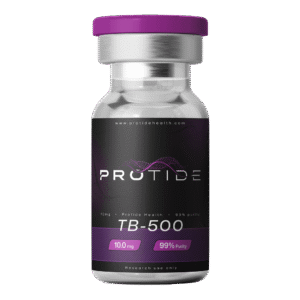
TB-500 functions as a synthetic analog of Thymosin Beta-4 (Tβ4). In vitro research measures its influence on actin, a cytoskeletal protein controlling cellular structure (PubMed). Animal models examine:
-
Endothelial cell differentiation
-
Keratinocyte migration rates
-
Myofibroblast activity modulation
MOTS-c
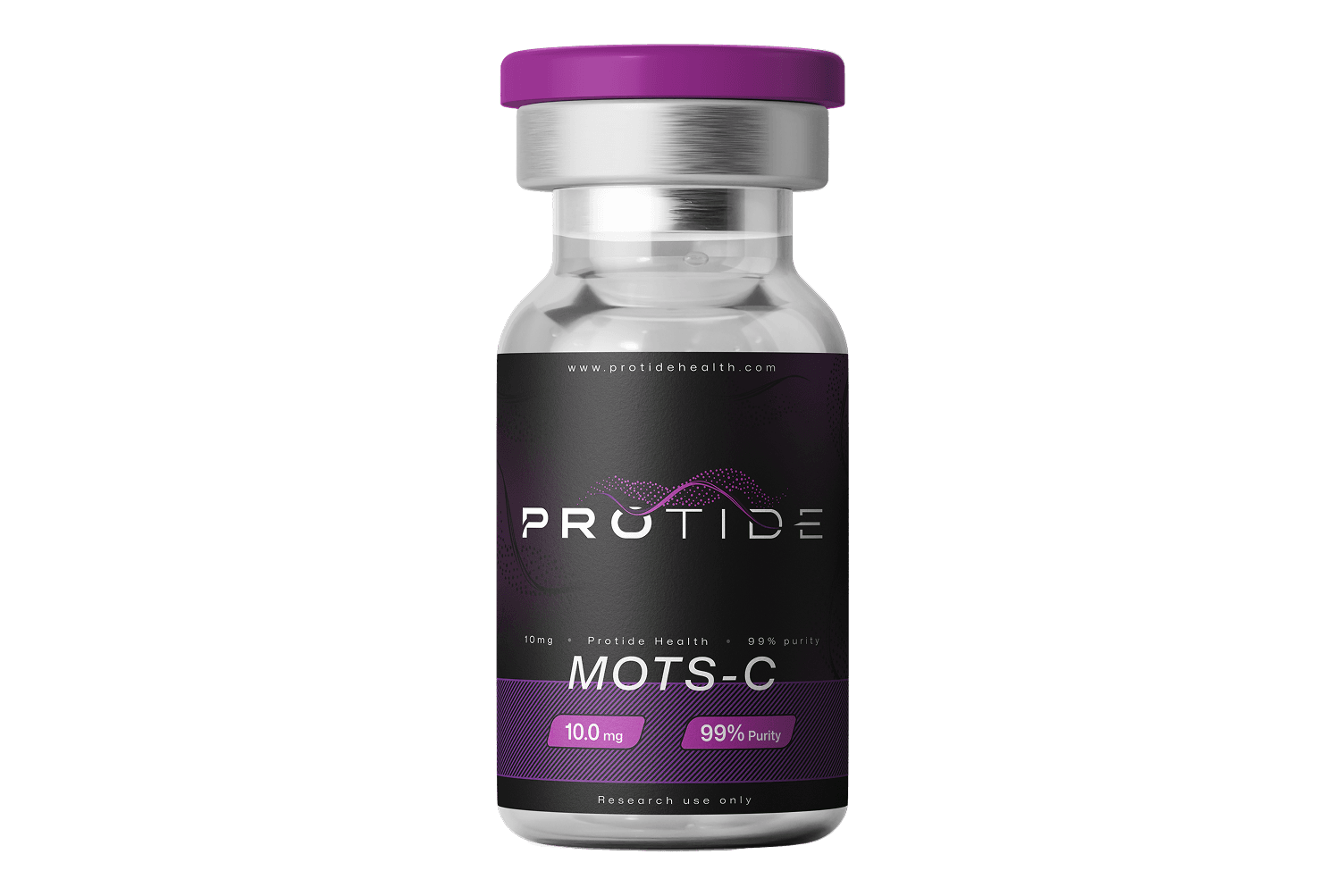
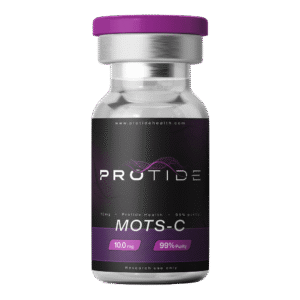
MOTS-c is a 16-amino-acid mitochondrial-derived peptide. Scientists investigate its role in the Folate-AICAR-AMPK pathway during metabolic stress (PubMed). Experimental models monitor:
-
AMPK-mediated cellular energy production
-
Glucose uptake markers in skeletal muscle
-
Anti-inflammatory cytokine signaling
Researchers evaluate MOTS-c 10mg to model metabolic homeostasis.
Synergistic Pathway Modulation
The combination of these peptides allows investigators to model multifaceted cellular processes. Research hypothesizes that overlapping mechanisms modulate cellular signaling across distinct biological dimensions.
| Peptide Component | Primary Cellular Target | Investigated Laboratory Mechanism |
|---|---|---|
| BPC-157 | VEGFR2 and eNOS | Vascular signaling and angiogenesis |
| TB-500 | Cytoskeletal Actin | Cellular migration and structural formation |
| MOTS-c | AMPK Pathway | Mitochondrial bioenergetics and energy regulation |
Research Protocols and Experimental Considerations
Current research lacks standardization for this specific three-peptide combination. Long-term co-administration data remains absent in current scientific literature. Typical study designs involve rodent models to measure shifts in metabolic and structural markers over predefined observation periods.
Investigators must develop internal laboratory parameters for compound analysis. Research groups focusing on these pathways include:
-
Musculoskeletal modeling researchers
-
Exercise physiology investigators
-
Mitochondrial bioenergetics scientists
For comprehensive methodological approaches, consult our peptide guides.
Frequently Asked Questions
Why integrate MOTS-c into structural peptide models?
BPC-157 and TB-500 target vascular and structural dimensions in laboratory models. MOTS-c provides a metabolic dimension, allowing researchers to examine the cellular energy production mechanisms essential for cell proliferation and angiogenesis.
References
-
Vasireddi A et al. Regeneration or risk? A narrative review of BPC-157 for musculoskeletal healing. PMC
-
Chang CH et al. BPC-157 enhances tendon healing involving growth hormone receptor upregulation. PubMed
-
Malinda KM et al. Thymosin beta4 accelerates wound healing. PubMed
-
Lee C et al. The mitochondrial-derived peptide MOTS-c promotes metabolic homeostasis. PubMed
-
Reynolds JC et al. MOTS-c is an exercise-induced mitochondrial-encoded regulator. PubMed
-
Wan W et al. Mitochondria-derived peptide MOTS-c: effects and mechanisms. PubMed
-
Lu Z et al. MOTS-c modulates skeletal muscle function by directly binding and regulating CK2α. iScience
-
Zheng Y et al. MOTS-c: A promising mitochondrial-derived peptide for therapeutic exploitation. PMC
-
Kim MS et al. Exercise, mitohormesis, and MOTS-c. PMC
Legal Disclaimer
The information provided is for educational and research purposes only. The compounds included in this bundle are intended solely for investigational use in controlled laboratory and in vitro settings by qualified researchers. Protide Health does not endorse or promote the use of these compounds for the diagnosis, treatment, cure, or prevention of any disease. Products sold by Protide Health are strictly for laboratory research purposes and are not intended for human consumption, medical use, or veterinary application.
Be the first to review “Tissue Regeneration Research Bundle (BPC-157, TB-500, MOTS-c)”
Related products
Cellular Longevity Research
Copper Peptides
Best Selling
Metabolic Research
Musculoskeletal Research
Immune Research
Best Selling
Best Selling
Reviews
There are no reviews yet.