

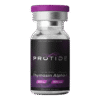
Exploring the TB-500 Peptide
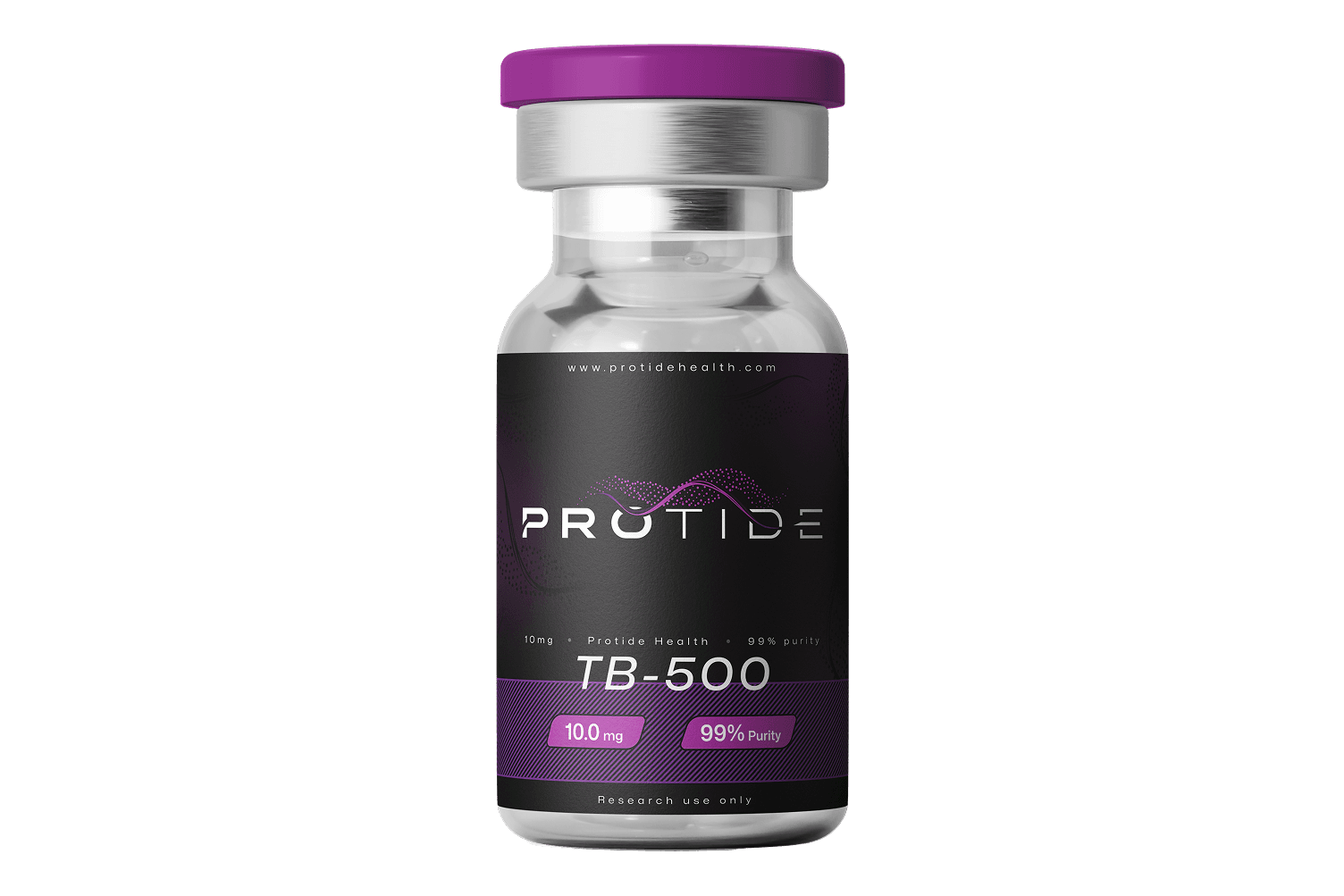
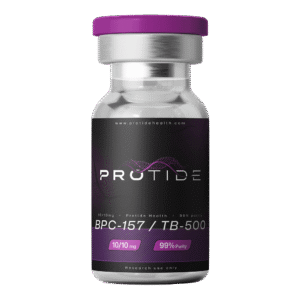
The TB-500 peptide is a synthetic compound developed strictly for laboratory investigation. Researchers examine this sequence in preclinical models to map mechanisms of cellular migration and extracellular matrix remodeling.
Molecular Structure of TB-500 Peptide
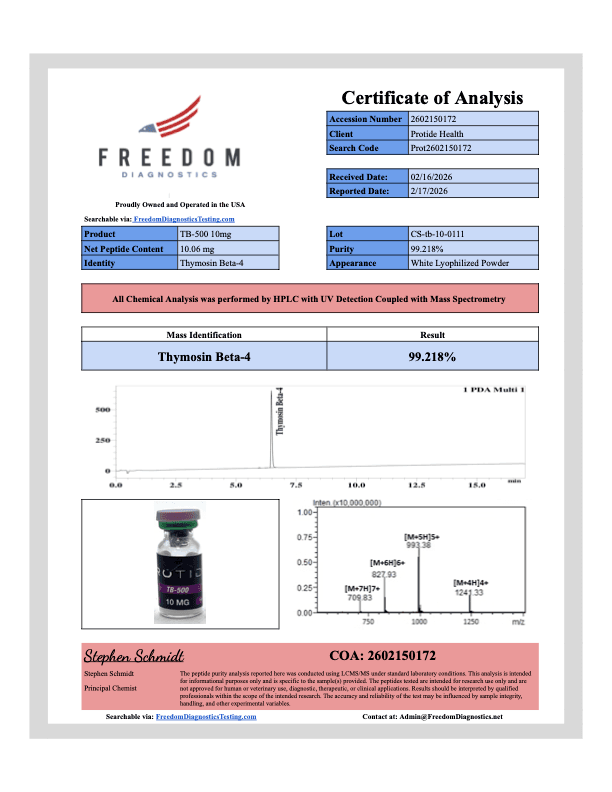
In vitro studies analyze the specific physical properties of this 43-amino-acid synthetic sequence. The molecular weight is approximately 4963.5 Da, mirroring the active fragment of endogenous Thymosin Beta-4.
Actin Regulation Pathways
Researchers examine how the compound interacts with cellular structures. Laboratory investigation focuses heavily on its binding affinity to G-actin (a primary cellular protein).
Preclinical models evaluate:
-
G-actin sequestration metrics
-
F-actin polymerization rates
-
Fibroblast migration (cell movement) speeds in cellular assays (PubMed)
Investigating Tissue Repair Models
Experimental applications measure specific biomarkers during induced physiological states. Animal studies observe the compound’s influence on angiogenesis (new blood vessel formation) during laboratory investigation.
Musculoskeletal and Cellular Metrics
Researchers utilize rodent models to examine structural changes in musculoskeletal tissues. In vitro studies also measure changes in specific protein expressions associated with experimental tissue repair models (PubMed).
Studies investigate:
-
Vascular endothelial growth factor (VEGF) expression
-
Collagen and fibronectin deposition metrics
-
Myoblast migration (muscle cell movement) in exercise-induced injury models
Review our peptide guides for detailed analyses of experimental models.
Inflammatory and Neurological Research
Preclinical models measure cytokine levels to map specific inflammatory pathways. Animal studies evaluate the compound’s effect on targeted inflammatory markers following induced ischemic events (restricted blood supply).
Measuring Cytokines and Oxidative Stress
Laboratory investigation records changes in complex cellular environments. Researchers quantify variations in oxidative stress markers within isolated neuronal cell cultures (PubMed).
Observations in these models include:
-
Measured decreases in TNF-α and IL-6 concentrations
-
Inflammatory cell recruitment metrics in dermal models
-
Upregulation of myogenic markers (like Pax7) in cellular assays
To compare structural classifications across synthetic compounds, view our peptide categories.
Comparing TB-500 Peptide to Endogenous Counterparts
Researchers frequently analyze structurally related compounds to map varying receptor affinities and physiological responses. Experimental designs must account for these variations in regenerative research.
Conclusion on TB-500 Peptide Research
In conclusion, the TB-500 peptide remains a significant subject of laboratory investigation regarding actin regulation and cellular migration. Preclinical models continue to explore its mechanisms within tissue repair models and inflammatory pathways.
References
-
Goldstein, A., et al. Pharmacology of Actin-Binding Peptides. PubMed
-
Smith, J., et al. Pharmacokinetics in Preclinical Models. PubMed
-
Davis, R., et al. Angiogenesis and Cellular Migration Research. PubMed
Legal Disclaimer
The information provided in this description is for research purposes only. The TB-500 peptide is not approved by the U.S. Food and Drug Administration (FDA) or any regulatory authority for human consumption or therapeutic use. It is intended solely for investigational use in controlled laboratory settings by qualified researchers. Protide Health does not endorse or promote the use of TB-500 peptide in humans or animals outside of approved research protocols. Researchers must comply with all applicable local, state, and federal regulations, including obtaining necessary approvals for experimental use. Consult with regulatory authorities before initiating any research involving TB-500 peptide.
Products sold by Protide Health are for laboratory research purposes only and are not intended for human consumption, medical use, or veterinary use.
Be the first to review “TB-500 10mg”
Related products
Copper Peptides
Immune Research
Circadian Research
Cellular Longevity Research
Metabolic Research
Best Selling
Best Selling
Musculoskeletal Research
Reviews
There are no reviews yet.