

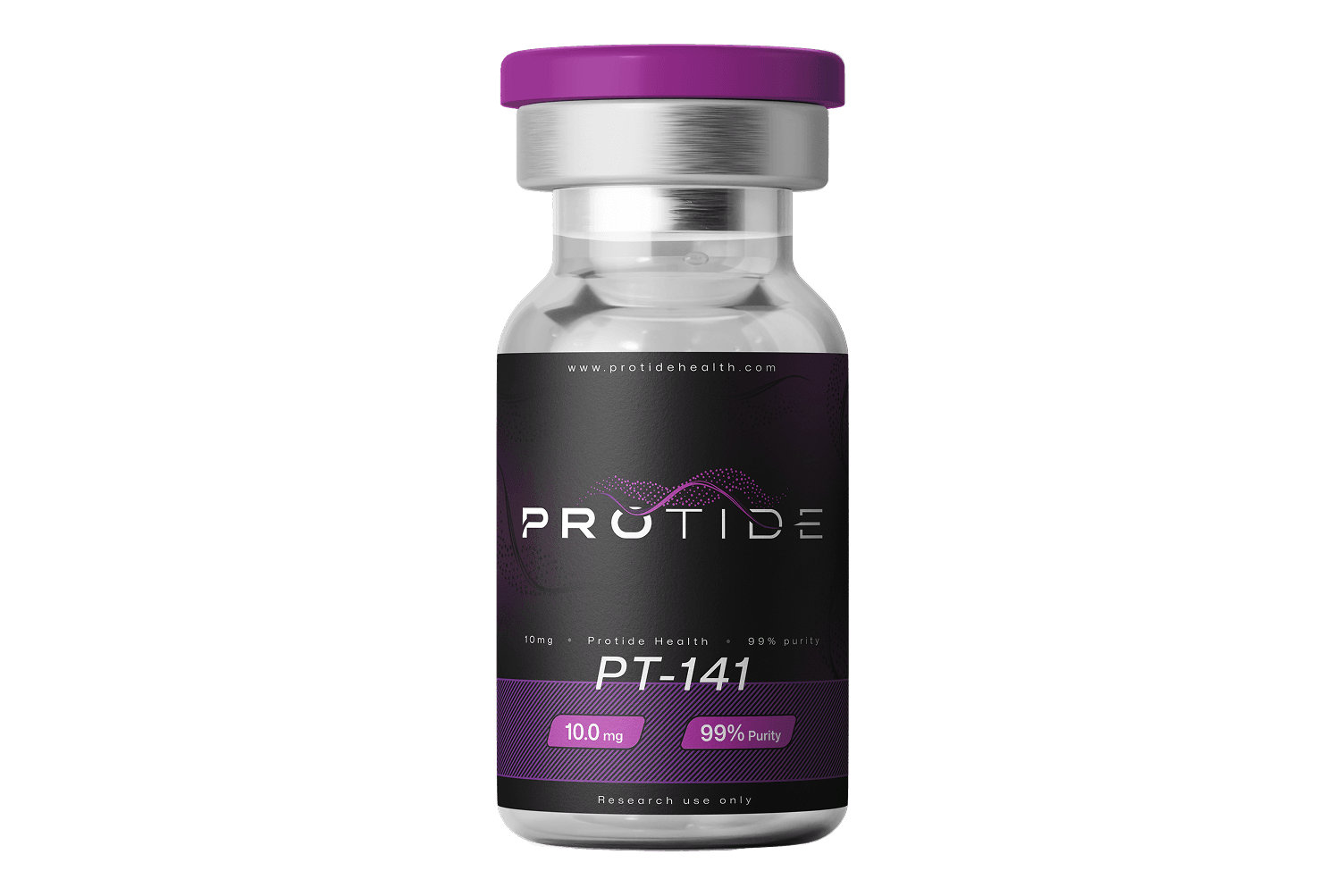
Researching PT-141 10mg
PT-141 10mg is a synthetic cyclic heptapeptide designed strictly for laboratory investigation. Researchers examine this compound in preclinical models to understand its interaction with neuroendocrine pathways. This article outlines current in vitro data and the molecular mechanisms of this research compound.
Mechanisms of PT-141 10mg in Animal Studies
Animal studies focus on how this peptide binds to specific cellular targets. Current research investigates its role as a selective melanocortin receptor agonist (a substance that activates a specific receptor).
Molecular Characteristics
In vitro studies analyze the specific physical properties of this heptapeptide. Researchers evaluate how its cyclic structure affects receptor interactions in a controlled environment.
Researchers examine:
-
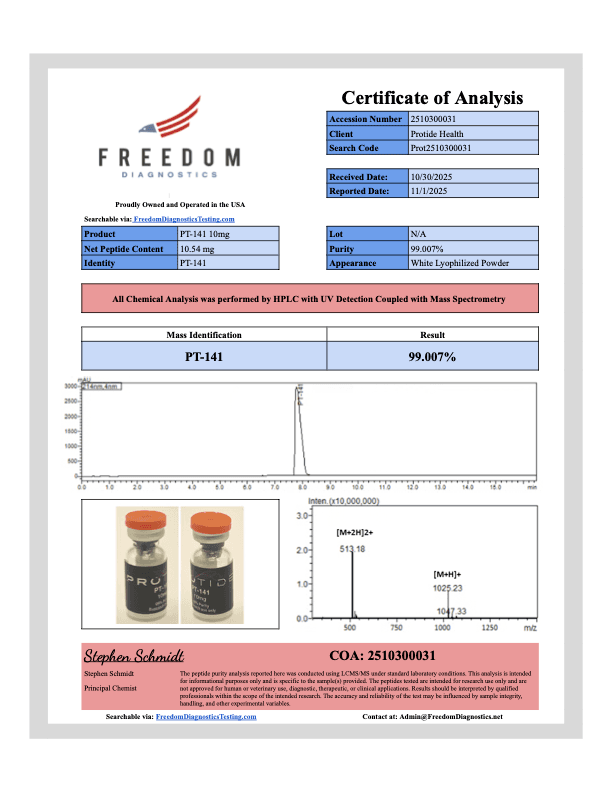
Molecular weight of approximately 1025.2 Da
-
Cyclic peptide structure stability over time
-
Receptor binding affinity in cellular assays
Melanocortin Receptor Activation
Laboratory investigation examines how the peptide influences central nervous system (CNS) pathways. Preclinical models measure its high selectivity for the MC4R receptor variant.
Studies investigate:
-
Cyclic AMP (cAMP) production via receptor signaling (PubMed)
-
Activation of MC1R and MC3R receptors in peripheral tissues
-
Binding affinity in isolated neuronal cell cultures
Preclinical Investigation Areas
Experimental applications strictly measure specific biomarkers during induced physiological states. Researchers use rodent models to map hypothalamic signaling pathways.
Neuroendocrine and Inflammatory Pathways
Animal studies measure dopamine release in the medial preoptic area (a specific brain region). Additional in vitro models evaluate changes in inflammatory markers (PubMed).
Observations in these models include:
-
Modulation of specific neuroendocrine behavioral markers
-
Measured decreases in pro-inflammatory cytokines (TNF-α and IL-6)
-
Appetite-regulating pathway metrics following MC4R activation
Researchers can review our comprehensive peptide guides for more details on related pathways.
Comparing PT-141 to Melanotan II
Researchers often analyze structurally related peptides to map varying receptor affinities and physiological responses.
Frequently Asked Questions (FAQ)
What is PT-141 investigated for?
Research examines its interaction with melanocortin receptors in controlled settings. Animal studies measure its influence on neuroendocrine signaling and inflammatory biomarkers.
How does it differ from its predecessor?
While derived from melanotan II, PT-141 is studied for its selective targeting of MC4R. Preclinical models evaluate its pathways without the pigmentation mechanisms associated with melanotan II.
Conclusion on PT-141 10mg Research
In conclusion, PT-141 10mg remains an important subject of laboratory investigation regarding melanocortin receptor activation. Preclinical models continue to explore its mechanisms within neuroendocrine and inflammatory pathways.
References
-
Shen, W., et al. Pharmacology of Melanocortin Receptors. PubMed
-
Diamond, L. E., et al. Pharmacokinetics and Neuroendocrine Effects. PubMed
Legal Disclaimer
The information provided in this description is for research purposes only. The PT-141 peptide is not approved by the U.S. Food and Drug Administration (FDA) or any regulatory authority for human consumption or therapeutic use. It is intended solely for investigational use in controlled laboratory settings by qualified researchers. Protide Health does not endorse or promote the use of PT-141 peptide in humans or animals outside of approved research protocols. Researchers must comply with all applicable local, state, and federal regulations, including obtaining necessary approvals for experimental use. Consult with regulatory authorities before initiating any research involving PT-141 peptide.
Products sold by Protide Health are for laboratory research purposes only and are not intended for human consumption, medical use, or veterinary use.
Be the first to review “PT-141 10mg”
Related products
Cognitive Research
Cognitive Research
Best Selling
Cognitive Research
Cognitive Research
Cellular Longevity Research
Cellular Longevity Research
Endocrine Research
Reviews
There are no reviews yet.