

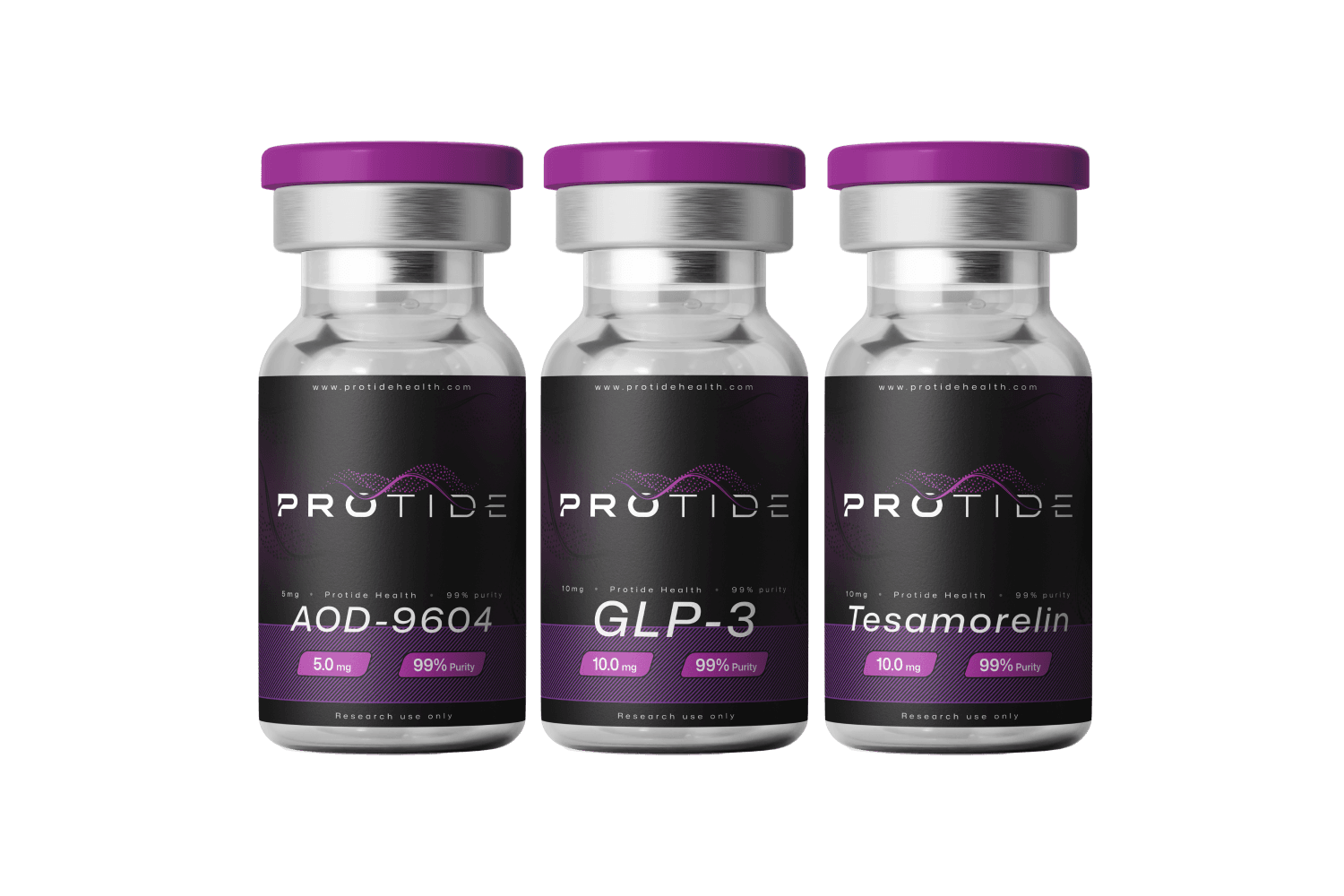
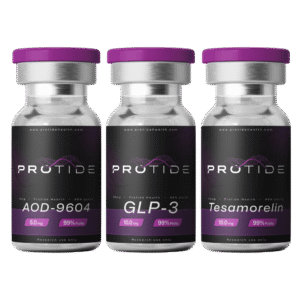
Metabolic Research Bundle (GLP-3, AOD-9604, Tesamorelin)
$285.00
Three of our top metabolic research peptides, including AOD-9604 (5mg), GLP-3 (10mg), and Tesamorelin (10mg) bundled together to provide everything needed to investigate lipid metabolism pathways, incretin receptor agonism, and adipocyte signaling in one convenient, cost-effective package.
-
Total Value: $285.00
-
Bundle Price: $260.00 (You Save $25.00)
-
Shipping: Free Shipping Included
Research use only. Not for human use or consumption.
Metabolic Research Bundle: Multi-Pathway Peptide Analysis
The Metabolic Research Bundle provides investigators with a multi-pathway solution for in vitro and preclinical models. This combination investigates the synergistic pathways of GLP-3, AOD-9604, and Tesamorelin in laboratory settings. Human evidence for this specific combination remains absent.
Components of the Metabolic Research Bundle
The Metabolic Research Bundle integrates three distinct peptides for comprehensive metabolic analysis. Researchers utilize these compounds to observe receptor agonism and complex cellular signaling.
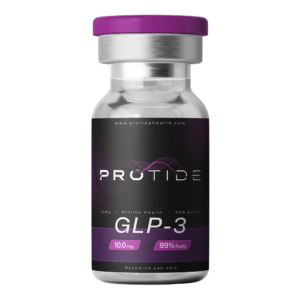
GLP-3 Peptide
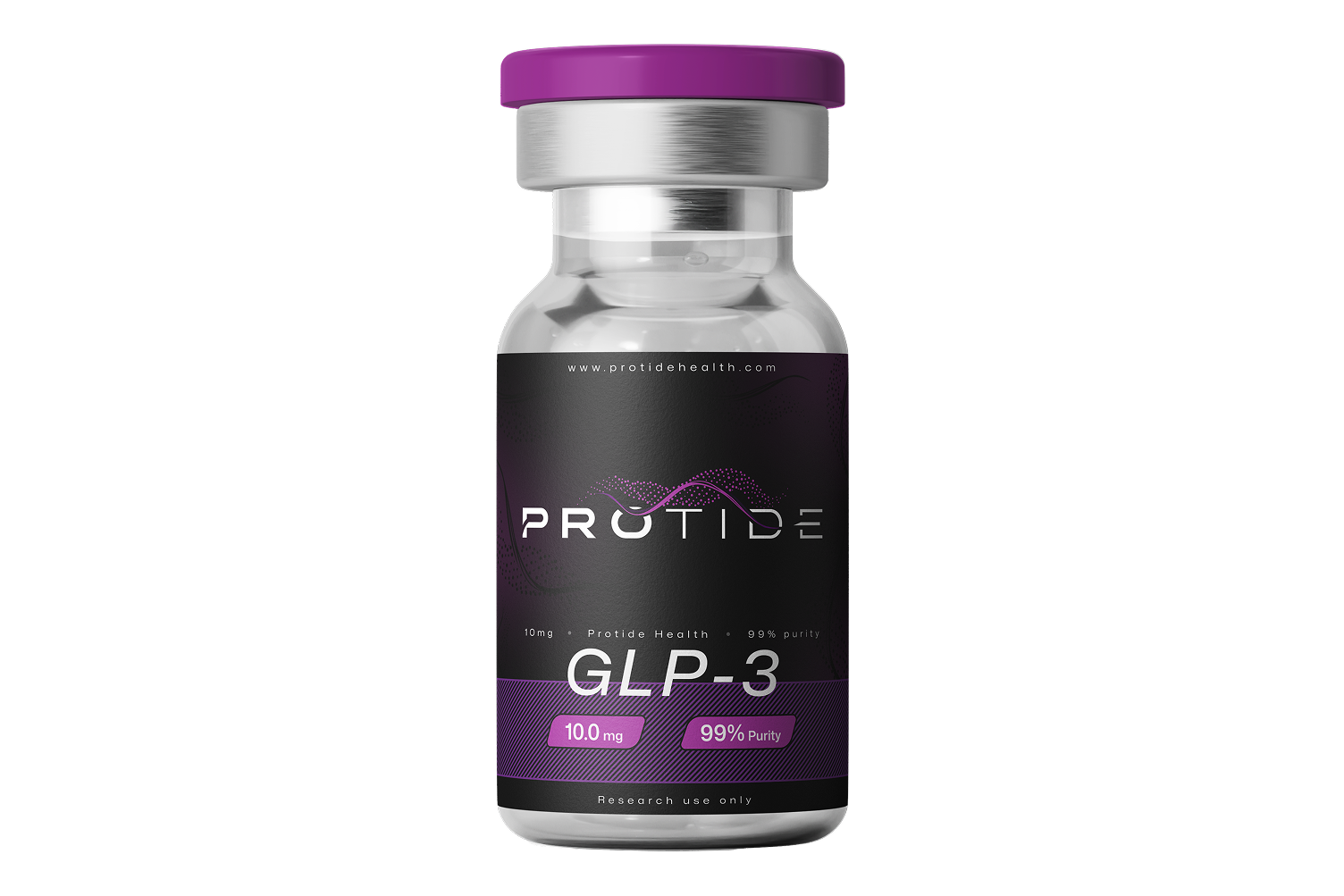
GLP-3 acts as a synthetic triple agonist (~4731 Da) targeting GLP-1, GIP, and glucagon receptors (PubMed). Preclinical models examine its influence on various mechanisms:
-
Energy expenditure pathways
-
Glucose homeostasis regulation
-
Basal metabolic rate markers
Explore GLP-3 peptide 10mg for laboratory applications.
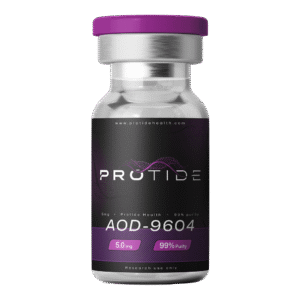
AOD-9604
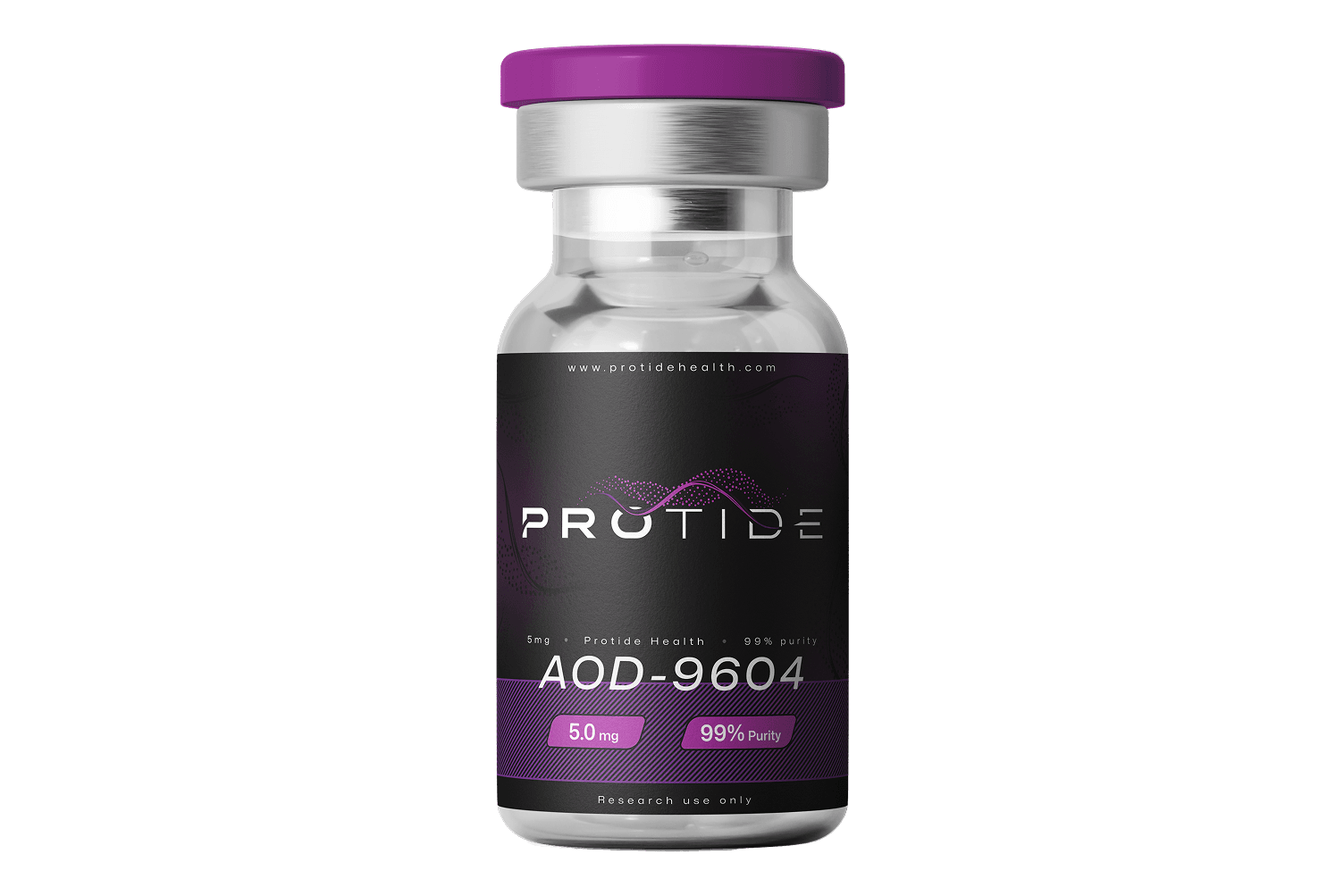
AOD-9604 is a 16-amino-acid fragment of human growth hormone. Studies investigate its interaction with hormone-sensitive lipase (HSL) in adipose tissue models (PubMed). Researchers measure:
-
Glycerol release rates
-
Acetyl-CoA carboxylase (ACC) inhibition
-
Fatty acid synthesis markers
For detailed compound specifications, review AOD-9604 5mg.
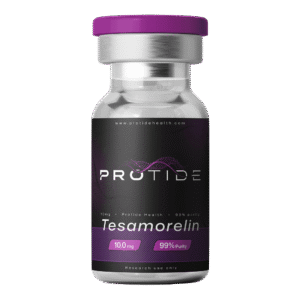
Tesamorelin
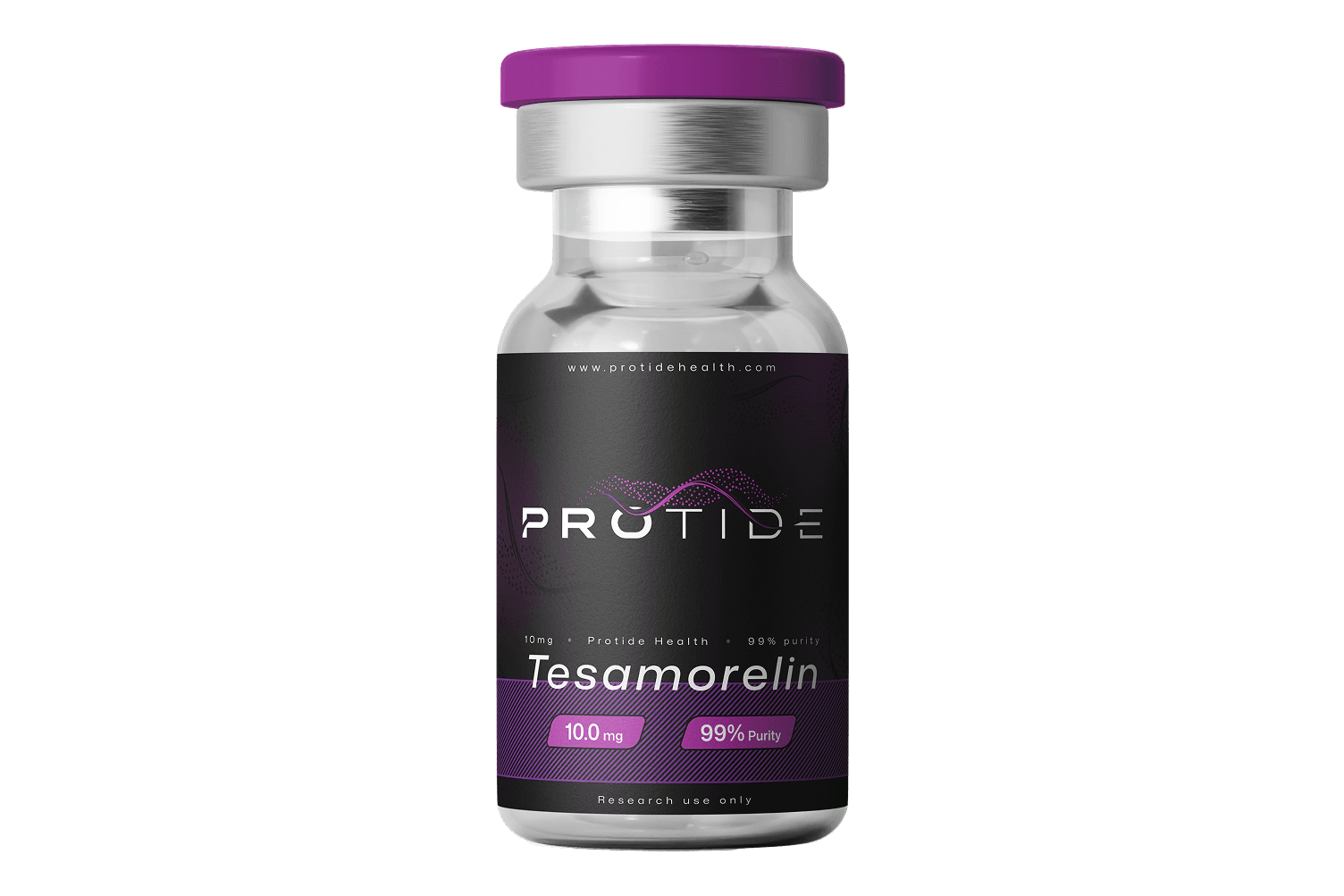
Tesamorelin functions as a growth hormone-releasing hormone (GHRH) analog in laboratory investigations. Animal studies examine its capacity to stimulate endogenous growth hormone (GH) pathways (PubMed). Investigators monitor:
-
GHRHR activation levels
-
IGF-1 expression changes
-
Beta-oxidation markers
Additional technical information is available via Tesamorelin 10mg.
Synergistic Pathway Modulation
Research indicates these compounds target complementary metabolic mechanisms. Laboratory models observe lipid metabolism signaling across multiple physiological systems.
Cellular Signaling and Lipid Pathways
The integration of these peptides allows investigators to model complex cellular interactions. Studies examine postprandial glucose markers alongside incretin agonism (PubMed). Research also observes triglyceride expression and PPAR-alpha activation in hepatocytes (PubMed).
| Peptide | Primary Target | Investigated Mechanism |
|---|---|---|
| GLP-3 | Triple Incretin Receptors | Glycemic and energy pathway modulation |
| AOD-9604 | Adipocyte HSL | Targeted lipolytic signaling |
| Tesamorelin | Pituitary GHRH Receptors | Endogenous GH and IGF-1 stimulation |
References
-
Coskun T et al. Triple hormone receptor agonist (GLP-3) pharmacology. Cell Metabolism. PubMed
-
Heffernan M et al. AOD-9604 and lipolysis in human adipose tissue. Endocrinology. PubMed
-
Falutz J et al. Tesamorelin and visceral fat reduction. JCEM. PubMed
-
Ng et al. Anti-lipogenic effects. PubMed
-
Falutz J et al. Tesamorelin and visceral fat reduction. PubMed
-
Sanyal AJ et al. GLP-3 for metabolic dysfunction. PubMed
-
Rosenstock J et al. Glucose Homeostasis. PubMed
-
Ma J et al. Lipid Metabolism. PubMed
-
Jastreboff AM et al. GLP-3 for obesity. PubMed
Legal Disclaimer
The information provided is for educational and research purposes only. The compounds included in this bundle are intended solely for investigational use in controlled laboratory and in vitro settings by qualified researchers. Protide Health does not endorse or promote the use of these compounds for the diagnosis, treatment, cure, or prevention of any disease. Products sold by Protide Health are strictly for laboratory research purposes and are not intended for human consumption, medical use, or veterinary application.
Be the first to review “Metabolic Research Bundle (GLP-3, AOD-9604, Tesamorelin)”
Related products
Cognitive Research
Cellular Longevity Research
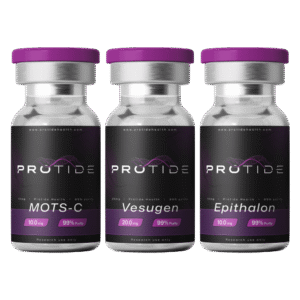
Cellular Longevity Research Bundle (MOTS-c, Epithalon, Vesugen)
Musculoskeletal Research
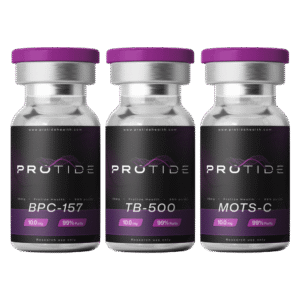
Tissue Regeneration Research Bundle (BPC-157, TB-500, MOTS-c)
Musculoskeletal Research
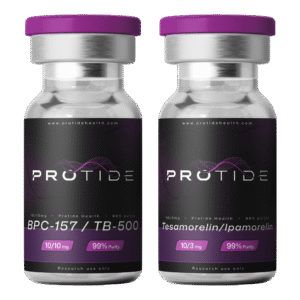
Musculoskeletal & Tissue Research Bundle (Tesamorelin, Ipamorelin, BPC-157, TB-500)
Gastrointestinal Research
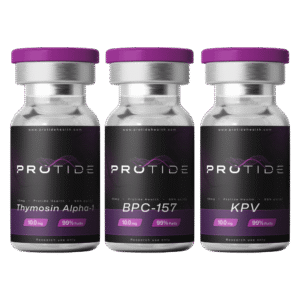
Gastrointestinal & Immune Research Bundle (Thymosin Alpha-1, KPV, BPC-157)
Reviews
There are no reviews yet.