

Exploring Melanotan-1 10mg Research and Mechanisms
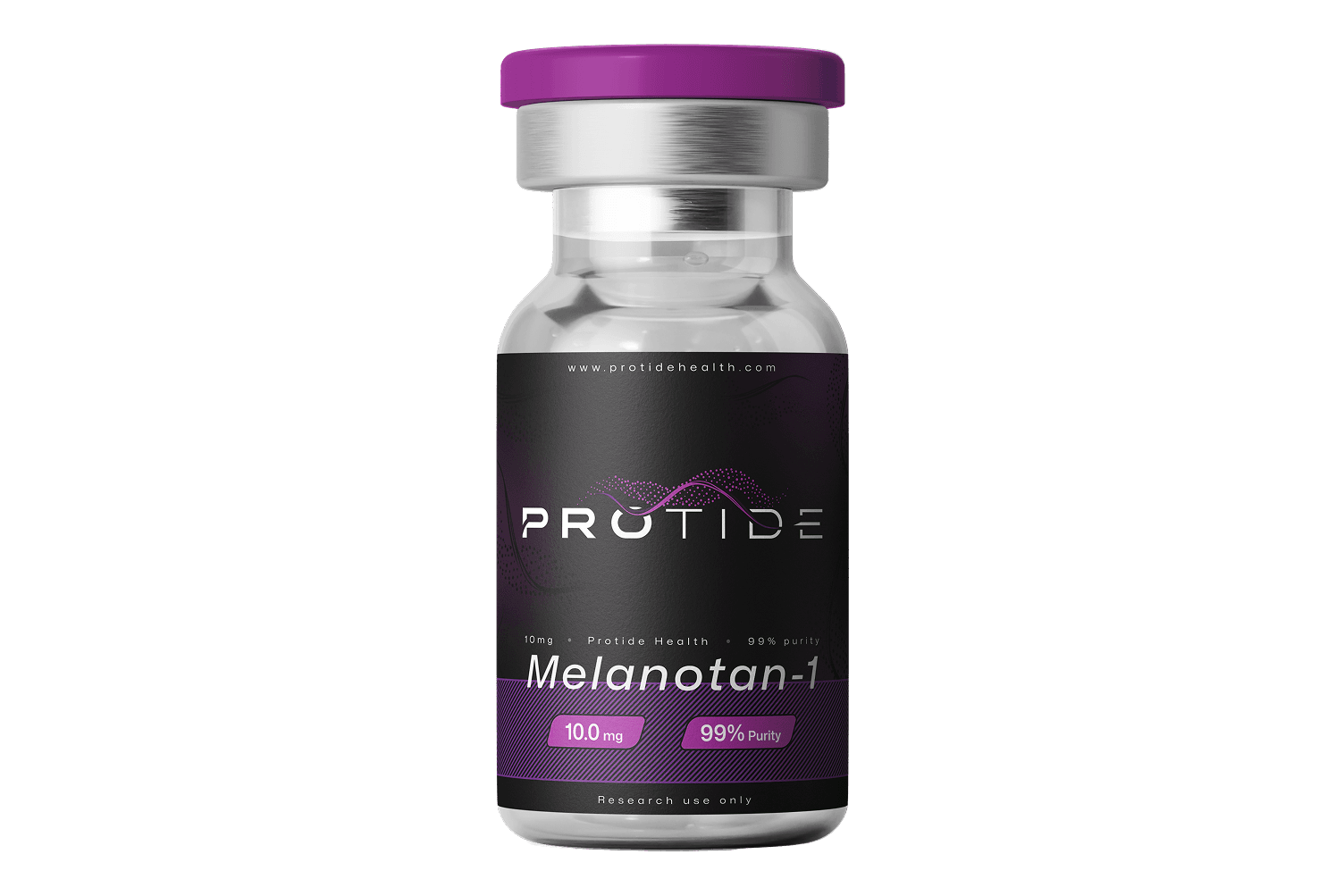
Melanotan-1 10mg is a synthetic peptide developed strictly for laboratory investigation. Researchers examine this compound in preclinical models to understand its interaction with melanocortin receptors. This article reviews current in vitro data and the structural properties of this research chemical.
What is Melanotan-1?
In vitro studies focus on the specific molecular structure of this synthetic analogue. Research examines how it interacts with cellular targets in controlled environments.
Molecular Structure and Properties
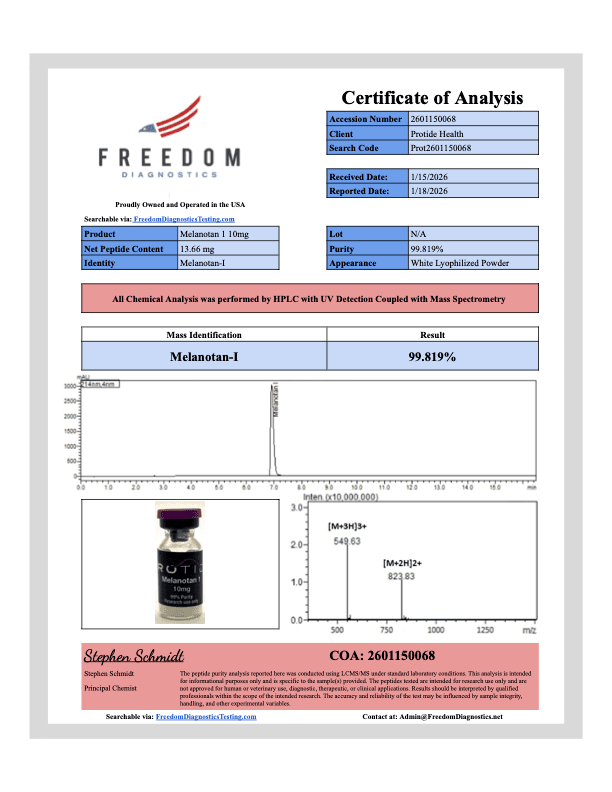
Melanotan-1 is a 13-amino-acid peptide with a molecular weight of approximately 1646.8 Da. It features structural modifications, including norleucine and D-phenylalanine, designed for laboratory investigation.
Researchers evaluate:
-
Structural resistance to enzymatic degradation
-
Receptor binding affinity in cellular assays
-
Stability over time in isolated environments
Mechanisms Evaluated in Animal Studies
Preclinical models investigate specific cellular responses associated with this compound. Animal studies measure its role as a selective melanocortin-1 receptor (MC1R) agonist.
Melanocortin Receptor Activation
Laboratory investigation examines how the peptide influences intracellular signaling cascades (PubMed). In vitro models evaluate its capacity to upregulate specific transcription factors within melanocyte cultures (pigment-producing cells).
Studies investigate:
-
Cyclic AMP (cAMP) production levels
-
Tyrosinase enzyme expression metrics
-
Eumelanin synthesis pathways in isolated cells
Melanotan-1 10mg in Preclinical Investigation
Experimental applications focus strictly on measuring biomarkers during induced physiological states. Researchers use cellular models to map responses to environmental stressors.
Photobiology and Cellular Repair Models
In vitro studies evaluate how Melanotan-1 interacts with cellular DNA repair mechanisms following ultraviolet (UV) exposure (PubMed). Animal studies measure specific protein expressions related to nucleotide excision repair.
Observations in these models include:
-
Measured decreases in thymine dimer formation
-
Upregulation of p53 activity in cellular assays
-
Modulation of inflammatory markers like IL-1β in microglial cultures
Explore our full inventory of laboratory compounds in our research peptides catalog.
Comparing Melanotan Peptides
Researchers often analyze structurally related peptides to map varying receptor affinities and physiological responses.
Frequently Asked Questions (FAQ)
What is Melanotan-1 investigated for?
Research examines its interaction with MC1R in controlled settings. Animal studies measure its influence on melanogenesis pathways and cellular repair biomarkers.
How does its structure differ from α-MSH?
Preclinical models investigate the inclusion of norleucine and D-phenylalanine. Researchers measure how these modifications alter enzymatic resistance compared to the endogenous peptide.
Conclusion on Melanotan-1 10mg Research
In conclusion, Melanotan-1 10mg remains an important subject of laboratory investigation regarding melanocortin receptor activation. Preclinical models continue to explore its mechanisms within melanogenesis and cellular repair pathways.
References
Be the first to review “Melanotan-1 10mg”
Related products
Best Selling
Immune Research
Immune Research
Cellular Longevity Research
Gastrointestinal Research
Cellular Longevity Research
Best Selling
Cellular Longevity Research
Reviews
There are no reviews yet.