

Understanding LL-37 in Immune and Antimicrobial Research
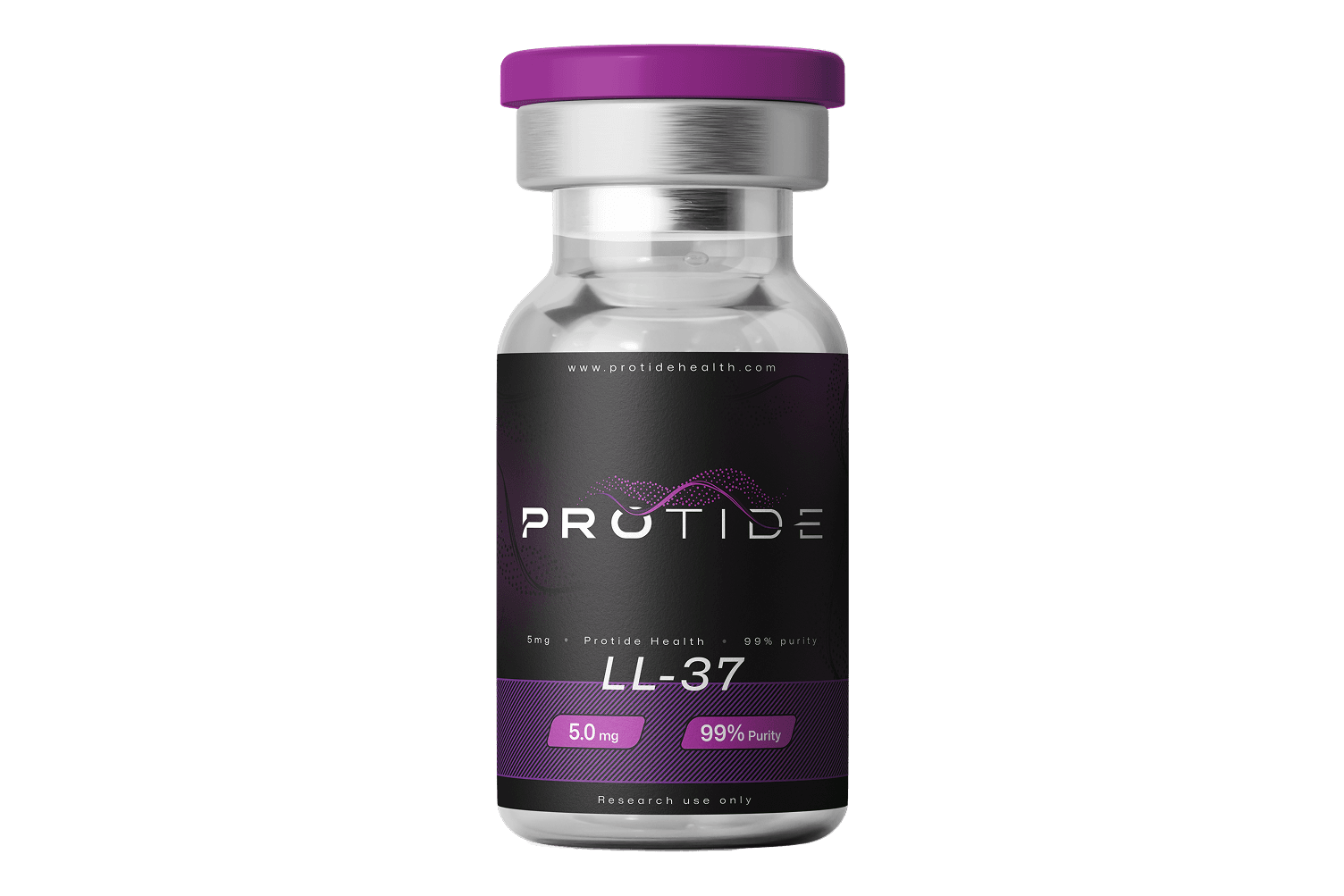
LL-37 is a synthetic, 37-amino-acid cationic peptide frequently utilized in laboratory settings to examine innate immunity and antimicrobial responses. As the only cathelicidin-derived peptide found in humans, this compound serves as a critical instrument for investigating biological defense mechanisms. Preclinical models commonly utilize this alpha-helical peptide to explore pathways linked to pathogen membrane disruption and immune signaling.
Exploring the Mechanisms of LL-37
Laboratory investigations focus on how this amphipathic peptide interacts with cellular membranes and modulates inflammatory cascades. Researchers study its structural properties in strictly controlled environments to gather data on how immune responses are regulated at the molecular level.
Antimicrobial and Membrane Disruption Pathways
In vitro studies measure the ability of the peptide to electrostatically bind and destabilize negatively charged bacterial membranes (PubMed). Animal models and cellular assays investigate specific mechanisms:
-
Pathogen membrane permeability alterations (observed via atomic force microscopy).
-
Endotoxin neutralization, specifically binding lipopolysaccharides (LPS) and lipoteichoic acid.
-
Downregulation of TLR4 activation, measured during laboratory sepsis models.
Research Applications in Preclinical Models
The primary role of this peptide centers on the investigation of broad-spectrum antimicrobial activity and biofilm inhibition. Scientists use these compounds in animal models to yield data regarding infectious diseases and innate immune system modulation.
Antimicrobial Activity and Biofilm Inhibition
Animal studies measure the compound’s influence on bacterial viability and structural adhesion. Preclinical models observe changes in pathogen growth following exposure (PubMed). Research investigates several endpoints:
-
Reduction of Staphylococcus aureus biofilm formation in catheter models.
-
Viability rates of ESKAPE pathogens during in vitro testing.
-
Synergistic effects when combined with traditional glycopeptides.
Immunomodulatory and Chemotaxis Studies
Studies investigate the influence of the peptide on leukocyte recruitment and cytokine production. Preclinical models measure markers in epithelial and macrophage cells to track biological changes (PubMed). Research examines:
-
Promotion of neutrophil and monocyte chemotaxis through FPR2 and CXCR2 receptors.
-
Suppression of IL-17A/F-induced inflammatory markers in bronchial epithelial cells.
-
Enhancement of type 1 interferon production in laboratory settings.
Concluding Thoughts on LL-37
LL-37 serves as a vital instrument for investigating innate immune responses, antimicrobial defense, and biofilm disruption. Preclinical studies continue to examine its influence on pathogen membrane integrity, chemotaxis, and endotoxin neutralization.
References
-
Authors. “LL-37 Antimicrobial Activity.” PMC. PubMed
-
Authors. “LL-37 Biofilm.” PMC. PubMed
-
Authors. “LL-37 Chemotaxis.” PMC. PubMed
-
Authors. “LL-37 Pharmacokinetics.” PMC. PubMed
Legal Disclaimer
The information provided in this description is for research purposes only. The LL-37 peptide is not approved by the U.S. Food and Drug Administration (FDA) or any regulatory authority for human consumption or therapeutic use. It is intended solely for investigational use in controlled laboratory settings by qualified researchers. Protide Health does not endorse or promote the use of LL-37 peptide in humans or animals outside of approved research protocols. Researchers must comply with all applicable local, state, and federal regulations, including obtaining necessary approvals for experimental use. Consult with regulatory authorities before initiating any research involving LL-37 peptide.
Products sold by Protide Health are for laboratory research purposes only and are not intended for human consumption, medical use, or veterinary use.
Be the first to review “LL-37 5mg”
Related products
Cellular Longevity Research
Best Selling
Copper Peptides
Cellular Longevity Research
Dermatological Research
Cognitive Research
Musculoskeletal Research
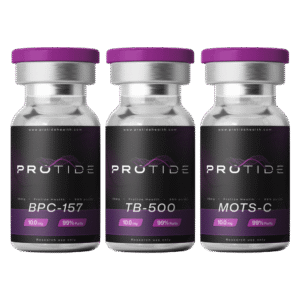
Tissue Regeneration Research Bundle (BPC-157, TB-500, MOTS-c)
Best Selling
Reviews
There are no reviews yet.