

Exploring IGF-1 LR3 1mg in Cellular Growth Research
IGF-1 LR3 (Long-Arginine IGF-1) is a synthetic 83-amino-acid peptide commonly utilized in laboratory settings to examine cellular proliferation and differentiation. This compound is a modified analog of human IGF-1 designed specifically for in vitro and in vivo studies. Researchers frequently investigate its role in musculoskeletal physiology, tissue regeneration, and metabolic pathways.
Evaluating the Mechanisms of IGF-1 LR3 1mg
Laboratory investigations focus on how this peptide interacts with the IGF-1 receptor (IGF-1R) to trigger downstream intracellular signaling cascades. Preclinical models utilize these interactions to observe cellular growth patterns in strictly controlled environments.
Cellular Signaling and Growth Pathways
In vitro studies examine the binding affinity of the peptide to IGF-1R, noting enhanced resistance to IGF-binding proteins (PubMed). Animal models and cellular assays investigate specific mechanisms:
-
Activation of PI3K/Akt and MAPK/ERK pathways in myoblast cultures.
-
Alterations in Bcl-2 and Bax expression, measuring cellular apoptosis rates.
-
Translocation of GLUT4 in adipocytes and myocytes to study glucose uptake.
Research Applications in Preclinical Models
The primary role of this peptide centers on investigating anabolic and cellular repair mechanisms. Scientists employ these compounds in animal models to yield data regarding tissue regeneration and metabolic signaling.
Musculoskeletal Physiology Studies
Animal studies measure the compound’s influence on biological markers of muscle growth and structural repair. Preclinical models observe changes in muscle fiber dimensions following administration (PubMed). Research investigates several endpoints:
-
Muscle fiber cross-sectional area changes during laboratory testing.
-
Satellite cell activation rates in rodent injury models.
-
Fibroblast proliferation and collagen deposition in tissue repair models.
Investigators often review other musculoskeletal research peptides when designing tissue recovery studies.
Metabolic and Cellular Longevity Models
Studies investigate the influence of the peptide on metabolic pathways and cellular senescence markers. Preclinical models measure glucose processing to track biological changes (PubMed). Research examines:
-
Glucose uptake rates in adipocyte cell cultures.
-
Lipid accumulation changes in hepatocyte models.
-
Alterations in senescence markers (p16, p21) within aged cell cultures.
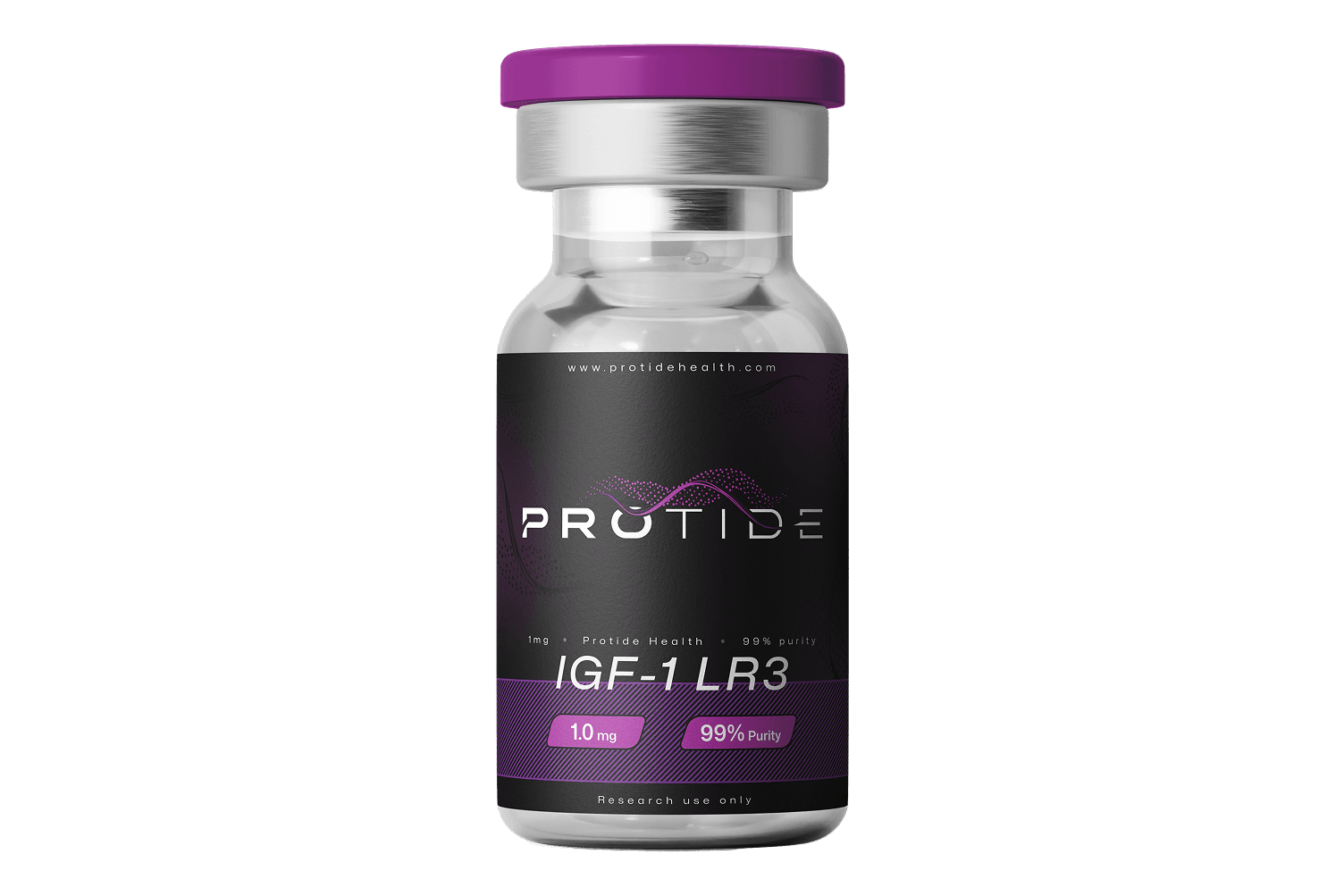
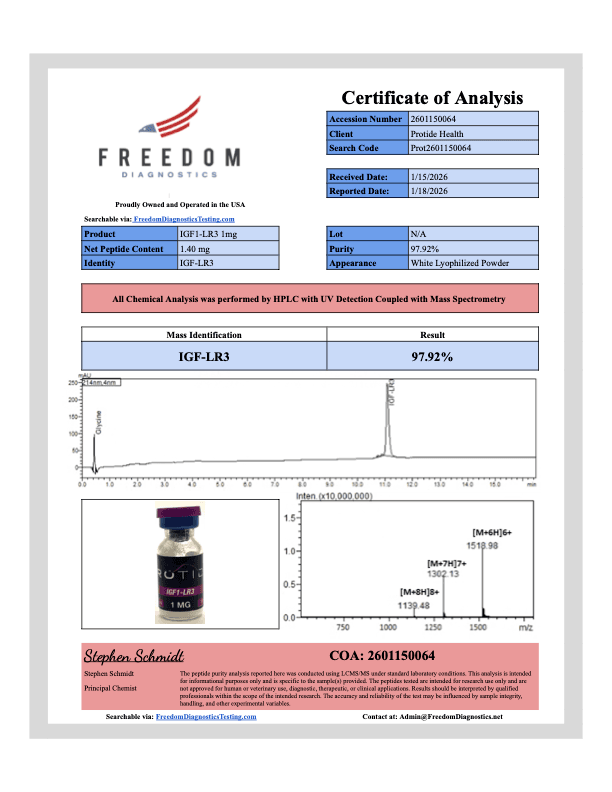
For laboratory materials, researchers can explore IGF-1 LR3 1mg to support their metabolic investigations. Additional compounds are available in the metabolic research peptides category.
Analyzing Peptide Characteristics
Animal studies evaluate the pharmacokinetic profile of the peptide to inform study design. Preclinical models observe that reduced IGFBP binding yields a significantly extended half-life compared to native IGF-1 (PubMed).
Concluding Thoughts on IGF-1 LR3
IGF-1 LR3 serves as a vital instrument for investigating cellular growth, tissue repair, and metabolic regulation. Preclinical studies continue to examine its influence on PI3K/Akt signaling, myoblast proliferation, and cellular longevity pathways.
References
-
Authors. “IGF-1 LR3 Pharmacokinetics and Mechanism.” PubMed. PubMed
-
Authors. “IGF-1 Muscle Repair and Regeneration.” PubMed. PubMed
-
Authors. “IGF-1 Analogs Overview.” PubMed. PubMed
Legal Disclaimer
The information provided in this description is for research purposes only. The IGF-1 LR3 peptide is not approved by the U.S. Food and Drug Administration (FDA) or any regulatory authority for human consumption or therapeutic use. It is intended solely for investigational use in controlled laboratory settings by qualified researchers. Protide Health does not endorse or promote the use of IGF-1 LR3 peptide in humans or animals outside of approved research protocols. Researchers must comply with all applicable local, state, and federal regulations, including obtaining necessary approvals for experimental use. Consult with regulatory authorities before initiating any research involving IGF-1 LR3 peptide.
Products sold by Protide Health are for laboratory research purposes only and are not intended for human consumption, medical use, or veterinary use.
Be the first to review “IGF-1 LR3 1mg”
Related products
Best Selling
Gastrointestinal Research
Metabolic Research
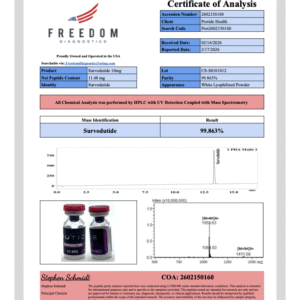
Metabolic Research
Best Selling
Cellular Longevity Research
Musculoskeletal Research
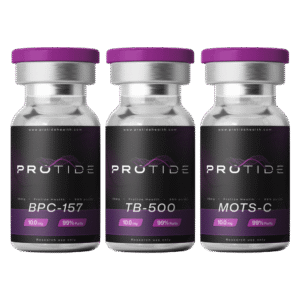
Tissue Regeneration Research Bundle (BPC-157, TB-500, MOTS-c)
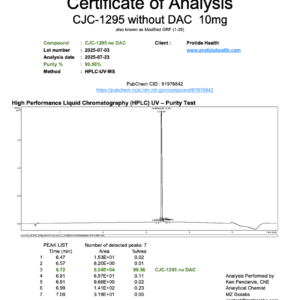
Musculoskeletal Research
Reviews
There are no reviews yet.