

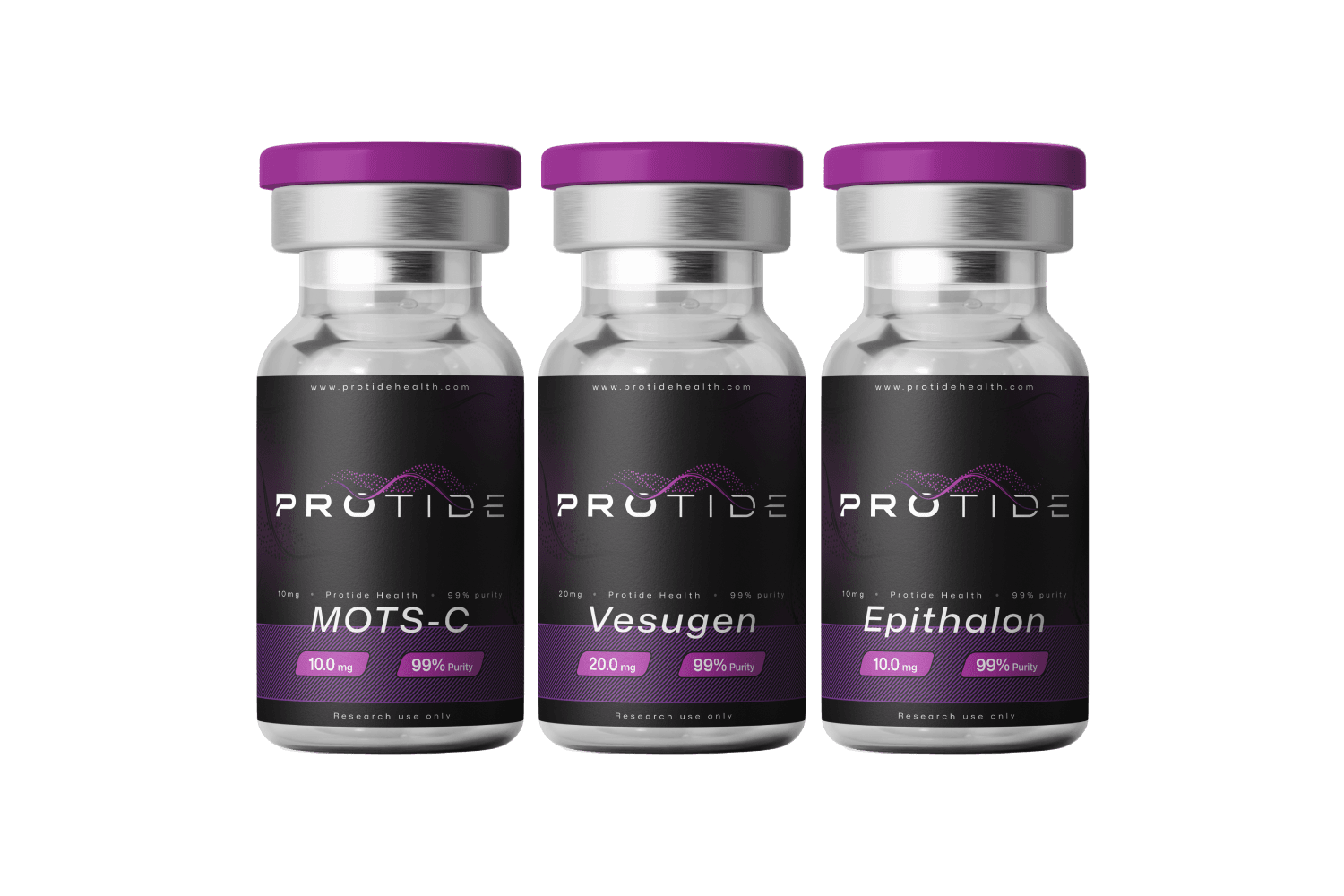
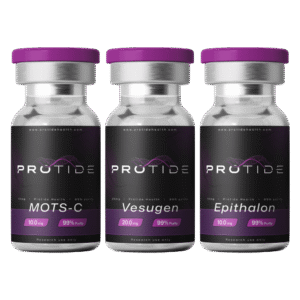
Cellular Longevity Research Bundle (MOTS-c, Epithalon, Vesugen)

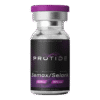
$215.00
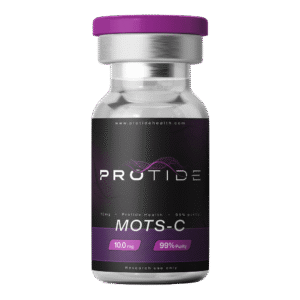
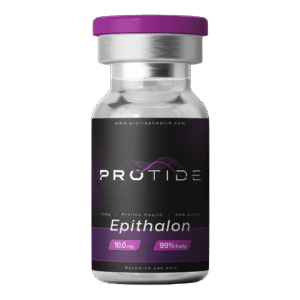
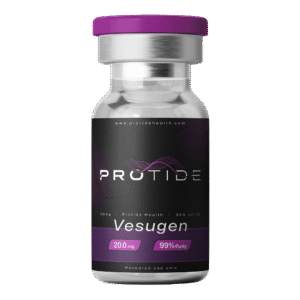
Three of our top-tier metabolic and bioregulator peptides, including MOTS-c (10mg), Epithalon (10mg), and Vesugen (20mg) bundled together to provide everything needed to investigate mitochondrial function, cellular senescence, and endothelial pathways in one convenient, cost-effective package.
-
Total Value: $215.00
-
Bundle Price: $170.00 (You Save $45.00)
-
Shipping: Free Shipping Included
Research use only. Not for human use or consumption.
Investigating the Cellular Longevity Research Bundle
The Cellular Longevity Research Bundle combines three specific compounds for laboratory investigation into metabolic, chromosomal, and vascular pathways. Researchers utilize this combination to examine the molecular mechanisms of cellular decline in controlled environments. Human evidence remains absent.
MOTS-c and Metabolic Research Peptides
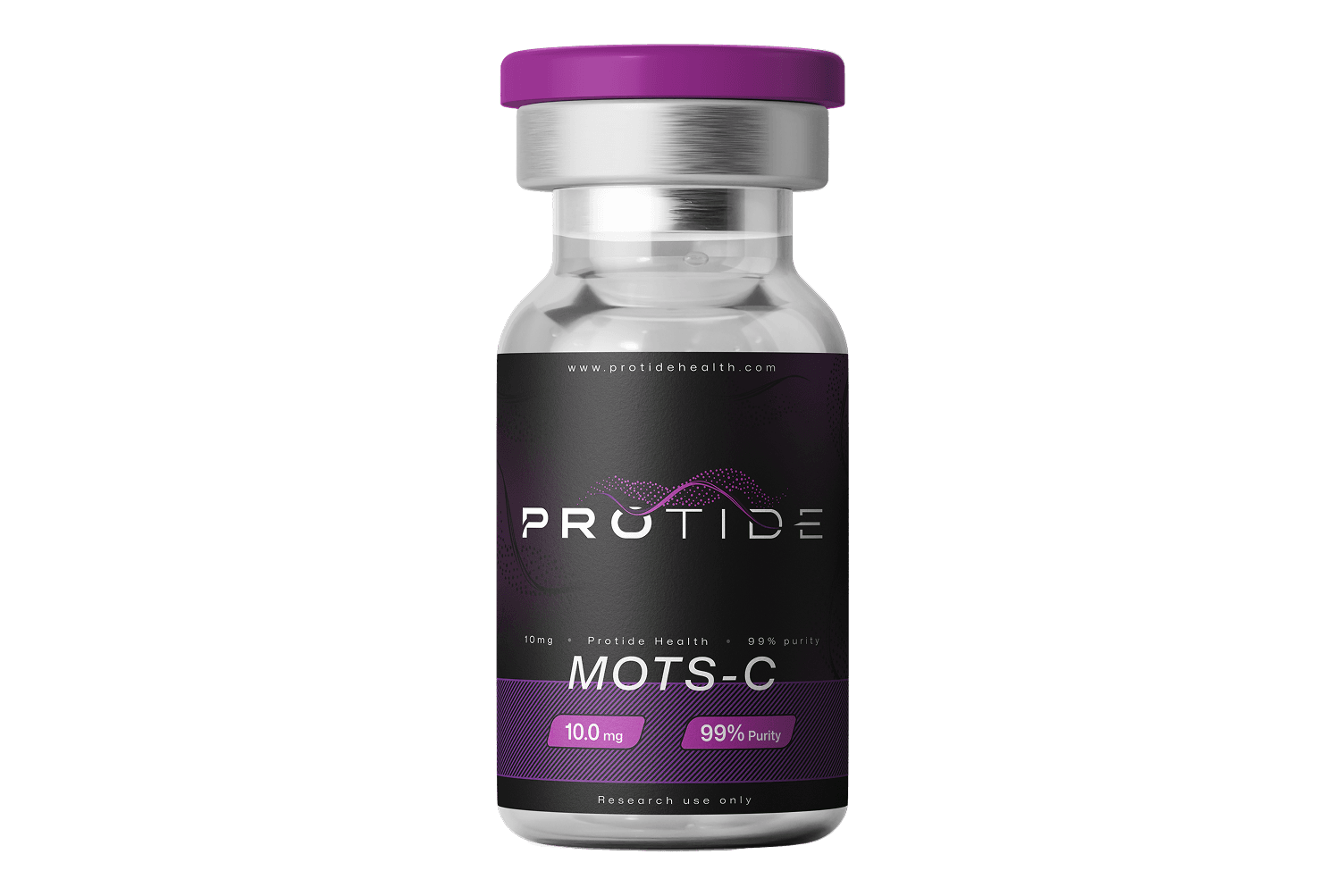
MOTS-c is a 16-amino-acid peptide encoded within the mitochondrial genome. Laboratory studies investigate its role as a retrograde signal from mitochondria to the nucleus.
Preclinical models measure:
-
Activation of AMPK (a cellular energy-sensing pathway)
-
Regulation of adaptive gene expression
-
Modulation of mitochondrial bioenergetics
In vitro studies observe AMPK pathway activation and nuclear translocation under metabolic stress (PubMed). Investigators often review peptide categories to understand these specific mitochondrial-derived peptides. Researchers note that physical activity induces endogenous expression in laboratory models (Nature Communications).
Epithalon in Chromosomal Models
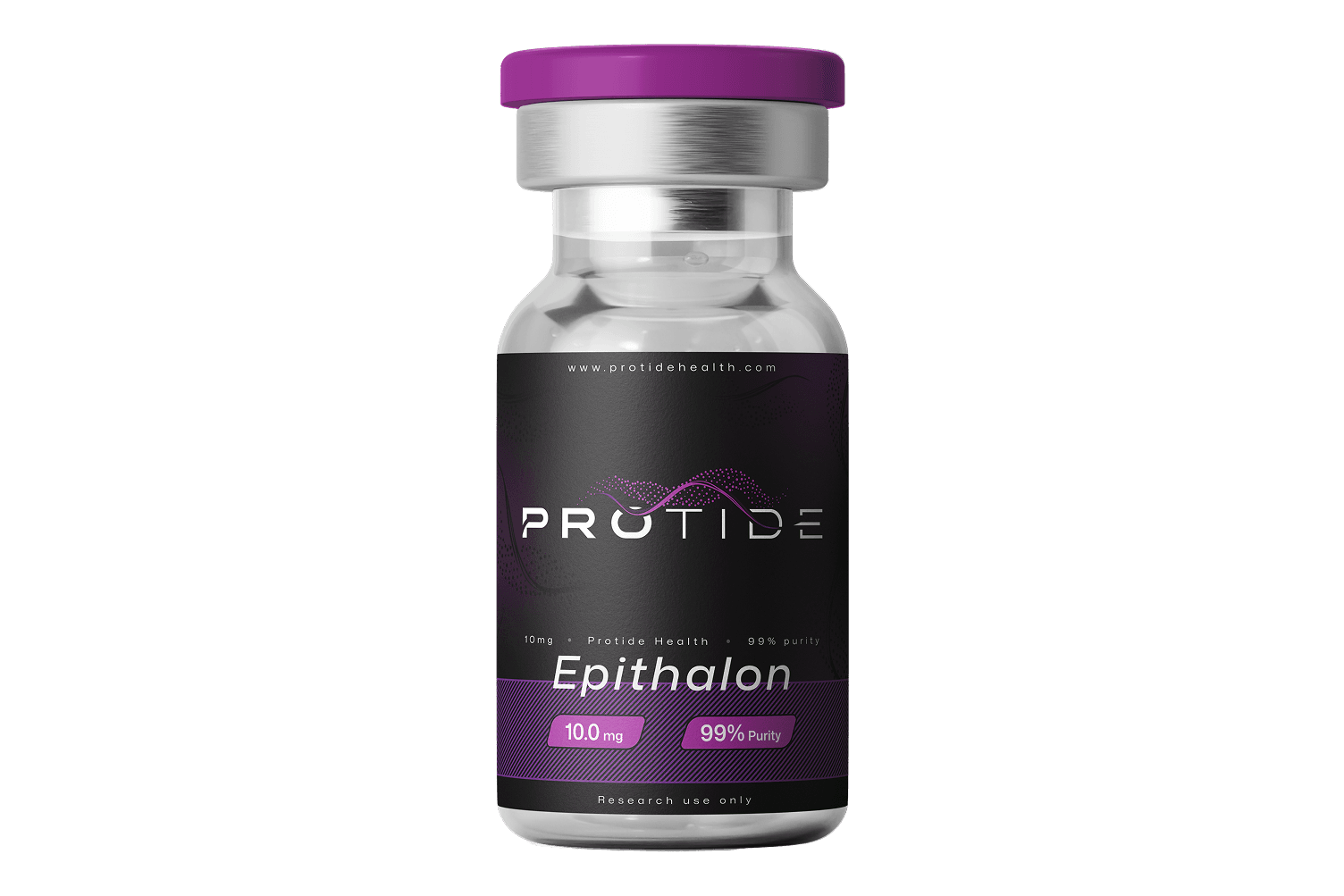
Epithalon is a synthetic tetrapeptide (Ala-Glu-Asp-Gly) based on pineal gland extracts. Research examines its influence on the chromosomal clock within isolated cellular cultures.
Laboratory investigations focus on:
-
Induction of hTERT (the catalytic subunit of telomerase)
-
Activation of telomerase enzymatic activity
-
Elongation of telomeres in somatic cells
In vitro models show measurable telomere elongation and hTERT mRNA expression across multiple cell types (PubMed). Additional analyses evaluate the Alternative Lengthening of Telomeres (ALT) pathway (PMC).
Vesugen and Endothelial Investigation
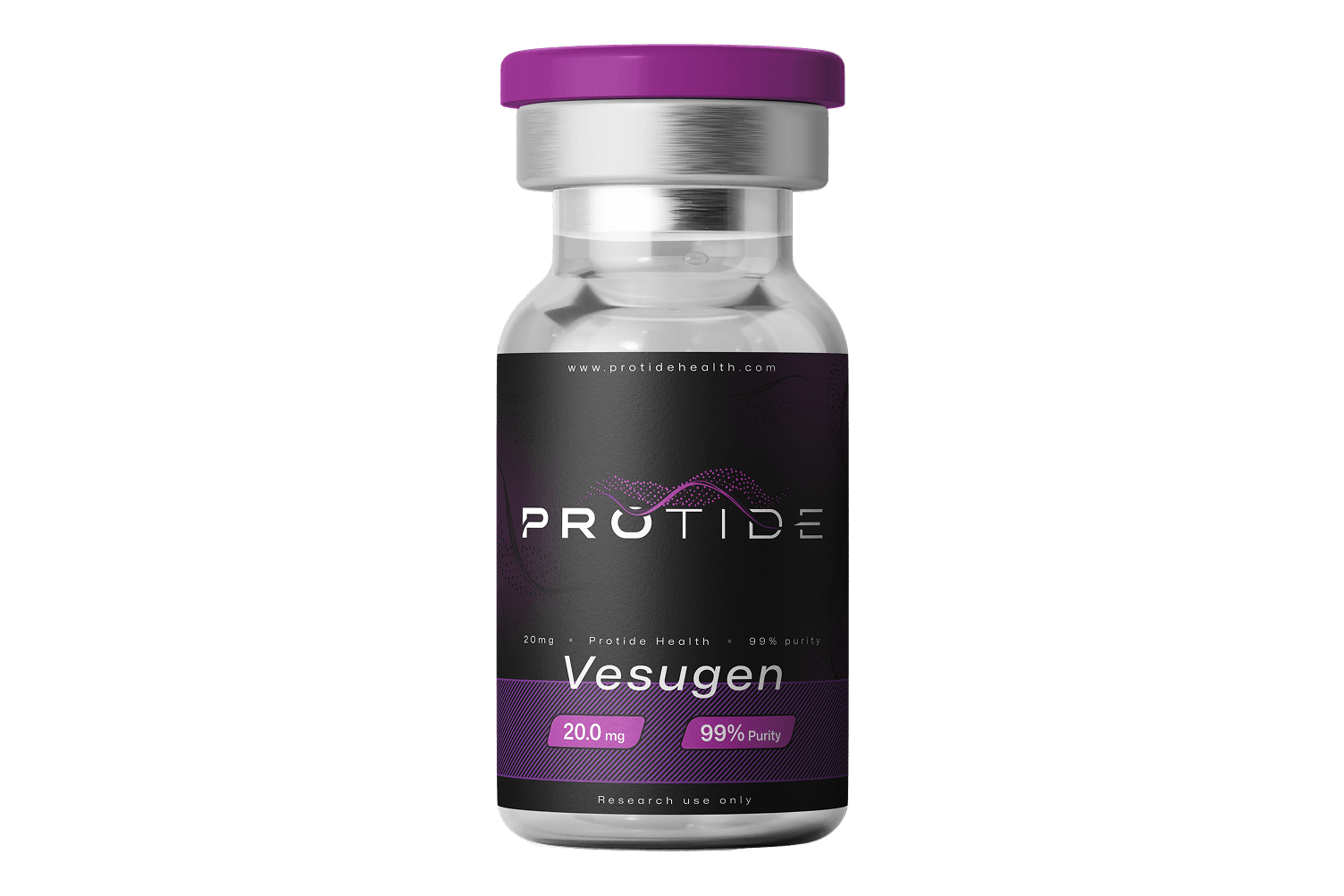
Vesugen is a synthetic tripeptide (Lys-Glu-Asp) classified as a vasoprotective bioregulator. Preclinical models evaluate its epigenetic regulation of vascular endothelial cell function.
Studies investigate Vesugen for:
-
Stimulation of Ki-67 (a cellular proliferation marker)
-
Normalization of endothelin-1 signaling
-
Interaction with the MKI67 gene promoter
Molecular docking analyses demonstrate interaction with the core promoter of specific genes associated with cellular proliferation (PubMed). For broader context on peptide bioregulators, scientists can explore comprehensive peptide guides. In related structural models, research examines changes in dendritic arborization (PMC).
Cellular Longevity Research Bundle Components
| Parameter | MOTS-c | Epithalon | Vesugen |
|---|---|---|---|
| Structure | 16-amino-acid peptide | Tetrapeptide (AEDG) | Tripeptide (KED) |
| Primary Target | AMPK/CK2α | Telomerase (hTERT) | Ki-67/SIRT1 |
| Research Focus | Metabolic pathways | Chromosomal maintenance | Vascular endothelial function |
Frequently Asked Questions
Why use this specific research combination?
The framework allows investigators to study metabolic, chromosomal, and vascular pathways simultaneously. This approach helps researchers examine interconnected feedback loops in preclinical models.
How do peptide bioregulators function in vitro?
Peptide bioregulators are hypothesized to interact directly with DNA and histone proteins. Laboratory analyses measure these tissue-specific interactions without utilizing clinical outcome variables.
Where can laboratories acquire these materials?
Qualified researchers can source these compounds through the shop at Protide Health. For analytical documents or specific assay inquiries, investigators can use the contact page.
The Cellular Longevity Research Bundle provides a comprehensive toolkit for investigating the molecular mechanisms of cellular models. By targeting mitochondrial, telomere, and vascular pathways, researchers can execute multi-target laboratory investigations. Human evidence is limited, and these compounds are strictly for research application.
References
-
Reynolds JC et al. MOTS-c is an exercise-induced mitochondrial-encoded regulator of age-dependent physical decline and muscle homeostasis. Nature Communications. Nature Communications
-
Wan W et al. MOTS-c activates AMPK through the folate-AICAR pathway and undergoes nuclear translocation under metabolic stress. Cell Metabolism. PubMed
-
Khavinson VK et al. Epithalon peptide induces telomerase activity and telomere elongation in human somatic cells. Bulletin of Experimental Biology and Medicine. PubMed
-
Araj SK et al. Epitalon increases telomere length in human cell lines through telomerase upregulation or ALT activity. PMC. PMC
-
Khavinson VK et al. Epigenetic aspects of peptidergic regulation of vascular endothelial cell proliferation during aging. Advances in Gerontology. PubMed
-
Kraskovskaya N et al. Short peptides protect fibroblast-derived induced neurons from age-related changes. International Journal of Molecular Sciences. PMC
Legal Disclaimer
The information provided is for educational and research purposes only. The compounds included in this bundle are intended solely for investigational use in controlled laboratory and in vitro settings by qualified researchers. Protide Health does not endorse or promote the use of these compounds for the diagnosis, treatment, cure, or prevention of any disease. Products sold by Protide Health are strictly for laboratory research purposes and are not intended for human consumption, medical use, or veterinary application.
Be the first to review “Cellular Longevity Research Bundle (MOTS-c, Epithalon, Vesugen)”
Related products
Cellular Longevity Research
Cellular Longevity Research
Gastrointestinal Research
Gastrointestinal & Immune Research Bundle (Thymosin Alpha-1, KPV, BPC-157)
Research Bundles
Cellular Longevity Research
Best Selling
Best Selling
Cognitive Research
Reviews
There are no reviews yet.